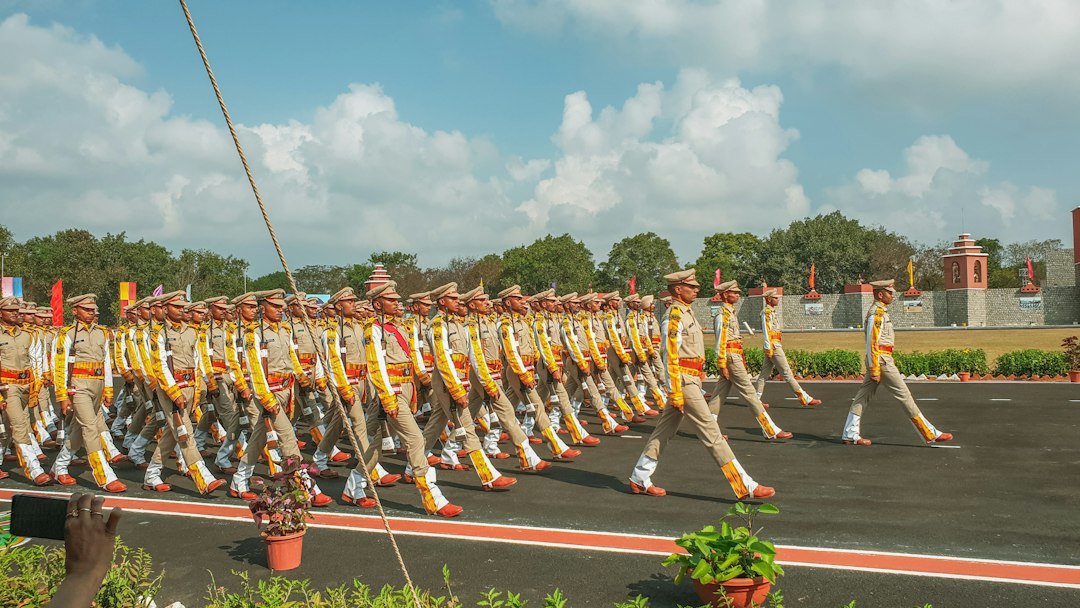
The UPSC CAPF AC Physical Admit Card 2026 has been released for candidates who qualified the written stage of the Central Armed Police Forces (Assistant Commandants) Examination, 2026. The physical stage is scheduled from 13 to 16 October 2026 and is being conducted through the nodal force, Sashastra Seema Bal (SSB).
What happened?
The written examination was held on 19 July 2026 and the written result was declared on 25 August. Candidates whose roll numbers appeared in the qualifying list were provisionally shortlisted for PST/PET. The latest physical-stage notice provides the e-admit-card and reporting arrangements.
Why it matters
CAPF Assistant Commandant is a national-level Group A officer recruitment process covering BSF, CRPF, CISF, ITBP and SSB. The physical stage is therefore a mandatory selection stage, not simply an administrative hall-ticket release.
Key data
| Item | 2026 detail |
|---|---|
| Written exam | 19 July |
| Written result | 25 August |
| Physical stage | 13–16 October |
| Notified vacancies | 349 |
| Nodal force | SSB |
How to download the e-admit card
- Open the SSB recruitment portal.
- Open the CAPFs (ACs) Examination 2026 admit-card section.
- Enter the credentials requested by the portal.
- Download and print the call letter.
- Check the reporting centre, date, time and document instructions.
Documents and candidate checks
Candidates should carry the items expressly required in the call letter and an acceptable original photo identity document. They should retain copies of their submitted application/DAF and eligibility documents where instructed. The candidature remains subject to final verification of age, education and reservation claims.
Physical-test framework
The prescribed physical standards vary by category and sex. PET events include running and long jump, with shot put for male candidates. Commonly specified benchmarks include 100 metres in 16 seconds for men and 18 seconds for women; 800 metres in 3 minutes 45 seconds for men and 4 minutes 45 seconds for women; long jump of 3.5 metres for men and 3.0 metres for women. Candidates must follow the exact standards applicable to their notification and call letter.
Selection-process background
The broad pathway is written examination → PST/PET and medical assessment → personality test/interview and final selection formalities. The physical stage tests prescribed physical eligibility and efficiency; it does not replace the written examination.
Physical Stage: What Candidates Should Understand
The physical stage has two different purposes. PST checks whether the candidate meets prescribed physical standards such as height and, where applicable, chest measurements. PET assesses performance in specified physical events. Candidates should read their category-specific requirements instead of relying on a single generic benchmark.
Before Reporting at the Centre
- Print the e-admit card and check the reporting time and centre carefully.
- Carry the original identity and other documents expressly required in the call letter.
- Check whether photographs, certificates or undertaking formats are required at the centre.
- Plan travel so that unexpected delays do not cause a late arrival.
- Follow the physical-test instructions issued by the nodal force rather than unofficial social-media lists.
Why PST and PET Are Different
A useful exam and recruitment distinction is that Physical Standards Test concerns eligibility standards, while the Physical Efficiency Test concerns performance in specified events. Clearing one should not be interpreted as automatically clearing the other.
Static GK connection
- BSF — Border Security Force
- CRPF — Central Reserve Police Force
- CISF — Central Industrial Security Force
- ITBP — Indo-Tibetan Border Police
- SSB — Sashastra Seema Bal
Exam relevance
Useful for UPSC, SSC, Defence and state police preparation. Questions can test the five CAPFs, their full forms, physical-stage sequence and the difference between PST and PET.
Possible MCQ areas
- Written and physical-stage dates.
- Five CAPFs under the examination.
- Nodal force for PST/PET.
- PST versus PET.
- PET events and benchmarks.
Official sources
UPSC and SSB Recruitment.