Updated 15 October 2026 | Estimated reading time: 8 minutes
What happened?
Three useful topics for competitive-exam preparation today are the five development projects announced for Ladakh, the BHAVYA industrial-park scheme and the release of a new issue of MoSPI’s official-statistics journal. The Ladakh programme was announced in advance by the Prime Minister’s Office on 14 October for 15 October, so readers should check the subsequent official update to confirm the completed event.
1. Ladakh: five projects worth around ₹3,350 crore
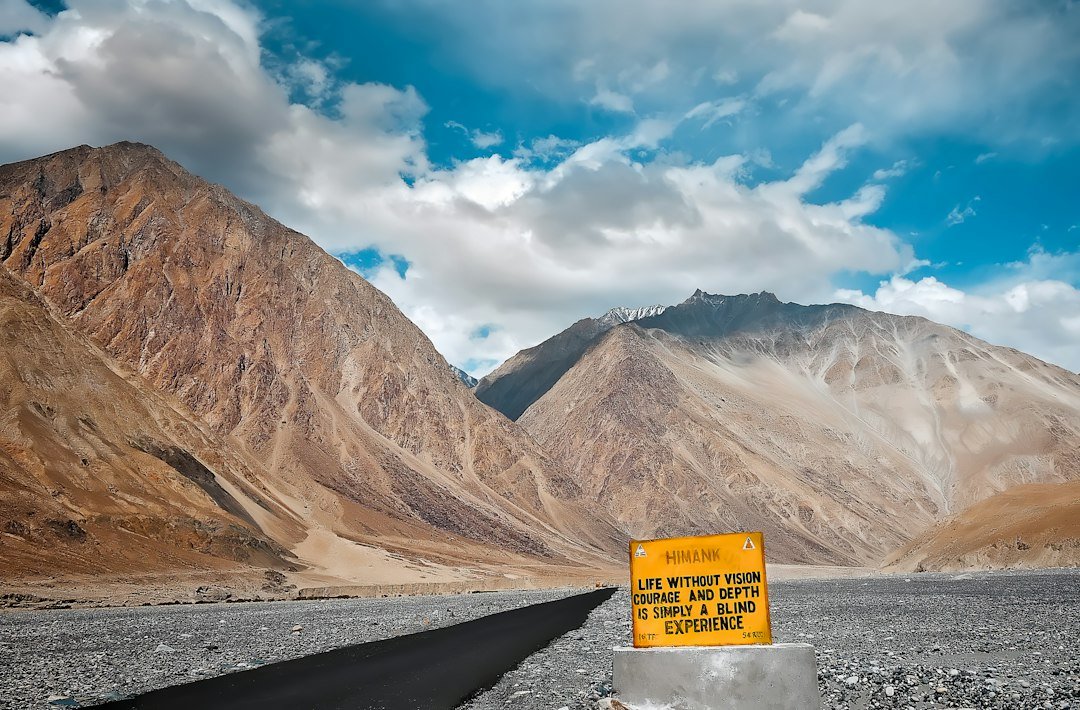
The PMO said Prime Minister Narendra Modi was scheduled to inaugurate or dedicate five projects worth around ₹3,350 crore in Ladakh at about 12:30 p.m. on 15 October. The package covers airport infrastructure, strategic road connectivity, hydropower, heritage conservation and water security.
Named elements in the official announcement include the new passenger terminal at Leh Airport; the 298-km Nimmu–Padum–Darcha Road, which provides an alternative route to Ladakh and strengthens strategic mobility; the 9 MW Hanu Small Hydroelectric Project and a 66 kV double-circuit Dah–Hanu–Khaltsi transmission line; India’s first Petroglyph Conservation Park at Sindhu Ghat, Leh; and 40 water bodies in 40 villages under Project Him Sarovar.
Why it matters
Reliable roads and air links affect civilian access, tourism, supply chains and logistics for the Armed Forces. In high-altitude areas, energy infrastructure improves network reliability, while water storage can help bridge the seasonal gap between snowmelt and irrigation demand. Heritage conservation can protect archaeological material while supporting responsible tourism.
Key facts and exam connection
- Location: Union Territory of Ladakh.
- Combined announced value: around ₹3,350 crore.
- Road length: 298 km.
- Hydropower project capacity: 9 MW.
- Project Him Sarovar: 40 water bodies across 40 villages.
- Announcing authority: Prime Minister’s Office; the primary release was issued through PIB on 14 October.
Static GK links include the status of Ladakh as a Union Territory, Himalayan geography, the Border Roads Organisation’s strategic-connectivity role and the difference between installed power capacity (MW) and energy generated over time (MWh). For objective exams, remember the project count, road length, hydropower capacity and the conservation park’s location.
Possible MCQ areas: Which road is 298 km long? What is the capacity of the Hanu project? How many water bodies are covered by Project Him Sarovar? Which city is associated with the Petroglyph Conservation Park?
Official source: PMO/PIB release on the five Ladakh projects.
2. BHAVYA: 100 proposed plug-and-play industrial parks
The Bharat Audyogik Vikas Yojna (BHAVYA) is a ₹33,660-crore initiative to develop 100 plug-and-play industrial parks across India. The Cabinet approved it in March 2026 and it was notified on 10 April 2026. Implementation is planned across FY 2026–27 to FY 2031–32, in partnership with States and private developers.
Plug-and-play parks aim to make core infrastructure available before manufacturers arrive. This can include internal roads, power, water, drainage, common effluent treatment, ICT-enabled administration and other common facilities. The scheme provides assistance of up to ₹1 crore per acre for eligible development, subject to its rules. These are programme design details—not evidence that all 100 parks are already operational.
Why it matters
Industrial units can lose time coordinating utilities, land preparation and common services. Shared infrastructure may lower entry barriers, especially for MSMEs, and make it easier to move from investment decisions to production. Outcomes will depend on project readiness, land, connectivity, approvals, maintenance and actual factory occupancy.
Data and static GK
- Outlay: ₹33,660 crore.
- Target: 100 industrial parks.
- Implementation period: FY 2026–27 to FY 2031–32.
- Assistance: up to ₹1 crore per acre for eligible projects.
- Management: dedicated Special Purpose Vehicles (SPVs), alongside State and private participation.
Distinguish BHAVYA from a Special Economic Zone (SEZ) and an industrial corridor. These are related industrial-development tools, but their legal framework, infrastructure purpose and operating model differ. Also distinguish an announced outlay from expenditure, a target from an achievement and a mapped industrial park from a park funded under BHAVYA.
Possible MCQ areas: full form of BHAVYA; outlay; number of parks; implementation period; assistance ceiling; role of an SPV.
Official source: PIB backgrounder: BHAVYA.
3. Official statistics and data literacy
MoSPI announced the 121st issue of Sarvekshana, its journal of official statistics. The examination lesson is broader than remembering the publication title: interpret every statistical claim with its reference period, unit, coverage, base year and provisional/final status. CPI measures changes in consumer prices, whereas GDP/GSDP measure economic output; they answer different questions and should not be treated as interchangeable indicators.
When comparing index values, check whether the base year has changed. A revised base year can change weights and historical comparisons. Good data interpretation means identifying what was measured and when—not simply memorising a percentage.
Official source: PIB release listing; look for the MoSPI release on the 121st issue of Sarvekshana.
Quick revision
- Ladakh package: five projects, around ₹3,350 crore; road length 298 km; Hanu project 9 MW; Project Him Sarovar 40 water bodies in 40 villages.
- BHAVYA: ₹33,660 crore, 100 parks, FY 2026–27 to FY 2031–32.
- Sarvekshana: MoSPI’s journal of official statistics.
Related reading
- Daily Current Affairs 14 October 2026.
- PM GatiShakti National Master Plan.
- Make in India: manufacturing and PLI.
- Competitive Exams Preparation Hub.
For time-sensitive details, use the latest official release. Advance announcements should not be reported as completed events without a follow-up source.