Updated: 24 October 2026 | Reading time: 7–8 minutes
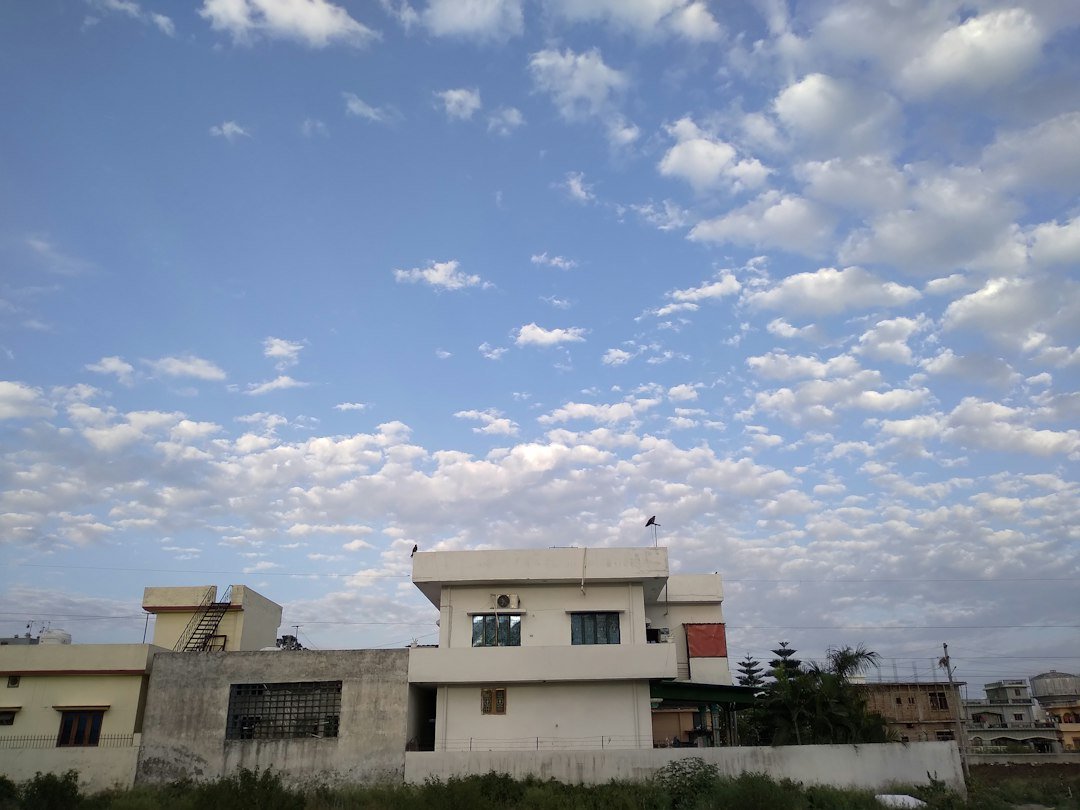
Dehradun’s technology ecosystem received a new piece of infrastructure on 23 October 2026, when Software Technology Parks of India (STPI) inaugurated a 30,000-square-foot incubation facility at IT Park on Sahastradhara Road. The development matters beyond Uttarakhand: it offers a useful case study in how public technology infrastructure, startup support and regional employment policy can work together outside India’s largest technology hubs.
The official announcement was issued by the Press Information Bureau under the Ministry of Electronics and Information Technology (MeitY). This explainer separates confirmed facility details from the longer-term outcomes that will depend on how startups and technology companies use the space.
What happened?
The new facility spans approximately 30,000 square feet across four floors. According to the government release, it includes semi-furnished office space, high-speed internet, an air-conditioned and eco-friendly working environment, an auditorium, two meeting rooms, two conference rooms and a Network Operations Centre (NOC). Its stated purpose is to support IT and IT-enabled services (IT/ITeS) businesses, startup incubation, product development and collaboration.
The inauguration was led by Jitin Prasada, Minister of State for Electronics and Information Technology and Commerce and Industry. Uttarakhand officials present included Pradeep Batra, Cabinet Minister for IT and Good Governance, and Ganesh Joshi, Agriculture Minister. STPI Director General Arvind Kumar also discussed the organisation’s role in connecting startups with mentorship, industry contacts and wider networks.
The new space adds to STPI Dehradun’s existing infrastructure, which the release describes as approximately 19,533 square feet of super built-up area. The two figures describe different facilities and should not be confused with a single combined capacity figure.
Why it matters for Uttarakhand
Technology businesses often cluster in a small number of established cities because they need reliable connectivity, skilled workers, customers, mentors and access to capital. A regional incubation facility cannot provide all of those ingredients by itself, but it can reduce the cost and friction of establishing a technology operation. For a young firm, access to office infrastructure and a professional network may matter before it can afford a large independent workplace.
The government release says Uttarakhand has more than 1,700 recognised startups. That figure provides context for the policy rationale, but it does not mean all those startups will use the Dehradun facility or that the new centre will automatically create a particular number of jobs. Those outcomes would require separate evidence, such as occupancy, startup survival, investment attracted, revenue growth and employment data.
Dehradun already has an education and public-sector base. Better links between educational institutions, technology companies and entrepreneurship support could help local talent find technology-related opportunities without relocating immediately to a larger metropolitan centre. Whether that potential is realised will depend on the quality of mentoring, access to customers, funding pathways and the ability of firms to recruit and retain skilled staff.
What the facility offers
- Workspace: semi-furnished office areas that may help early-stage firms begin operations without setting up every facility independently.
- Connectivity: high-speed internet and an NOC, important for businesses whose products and services depend on dependable digital infrastructure.
- Collaboration: meeting rooms, conference rooms and an auditorium for team work, client discussions, training and events.
- Business support: STPI’s wider network, mentorship and industry connections may help firms move from a prototype to a product or commercial service.
- Technology focus: STPI works across areas including artificial intelligence, machine learning, cybersecurity, blockchain, data science, Internet of Things, robotics and fintech. The announcement does not mean every listed technology will receive a dedicated programme at this facility.
Background: What is STPI?
Software Technology Parks of India is an autonomous scientific society under MeitY. It was established to support India’s IT and IT-enabled services industry and has expanded its work into startup incubation, research and development, product creation and emerging technologies. Its role includes supporting the infrastructure and business environment in which technology companies operate.
The Dehradun centre has a longer history than the new building. The PIB release states that STPI Dehradun was established in 2001 with support from the Uttarakhand government. Its work has included incubation services and the implementation of STP, Non-STP and EHTP schemes. The new facility therefore expands an existing institutional presence rather than creating STPI’s first presence in the state.
Startup support figures: NGIS
The release also provides figures for the Next Generation Incubation Scheme (NGIS) in STPI Dehradun’s startup-development work. It says 52 startups were selected through challenge programmes; 17 received seed funding totalling ₹4.25 crore; and more than 26 received stipends of ₹90,000 each. These are reported programme figures, not a statement that every startup selected received seed funding or a stipend.
Dividing ₹4.25 crore by 17 gives an arithmetic average of ₹25 lakh per seed-funded startup, but this is only an average calculated from the reported total. It should not be treated as a guaranteed grant amount or as proof that every recipient received an equal sum.
How to judge whether the centre succeeds
In the months and years ahead, useful indicators would include the number of firms using the facility, how many progress from incubation to independent operations, follow-on investment, intellectual property or product launches, commercial contracts, and jobs sustained. The quality of these outcomes matters more than the size of the building alone.
Another important test is whether support reaches businesses with viable products and a realistic market. Incubation space can provide a starting point, but it cannot substitute for customer demand, good management, sound cybersecurity, reliable accounting or access to finance. The strongest assessment will compare announced inputs with measured results over time.
Exam relevance
UPSC and State PSCs: link the initiative to regional development, startup policy, digital infrastructure, employment generation, public-private collaboration and the broader objective of Viksit Bharat.
Railway, teaching, defence and other general-awareness exams: remember the organisation’s full name, its parent ministry, the location of the facility and the key area figure. For Uttarakhand-specific examinations, the Dehradun location and the state’s startup ecosystem are particularly relevant.
Banking and insurance exams: the policy angle is entrepreneurship finance and the ecosystem needed for small technology firms to scale. Avoid assuming that the announcement itself creates a new loan or subsidy scheme; the PIB release does not announce one.
Static GK connection
- STPI: Software Technology Parks of India.
- Parent ministry: Ministry of Electronics and Information Technology (MeitY), Government of India.
- Location: IT Park, Sahastradhara Road, Dehradun, Uttarakhand.
- Related concept: incubation supports early-stage enterprises through infrastructure, mentoring and access to networks; it is not the same as direct funding or a guarantee of commercial success.
- Uttarakhand capital: Dehradun is the state’s winter capital; Gairsain (Bhararisain) is its summer capital.
Possible MCQ areas
- STPI operates under which Union ministry?
- Where is the new 30,000-square-foot incubation facility located?
- What does IT/ITeS stand for?
- How many startups were reported as selected through NGIS challenge programmes in the release?
- What is the difference between an incubation facility and a direct grant programme?
Official source and verification
Primary source: Press Information Bureau — STPI inaugurates new incubation facility in Dehradun (23 October 2026). The facility specifications and programme figures in this article are based on that release. Future performance outcomes should be assessed only when reliable data are published.