Published 15 October 2026 | Estimated reading time: 8 minutes
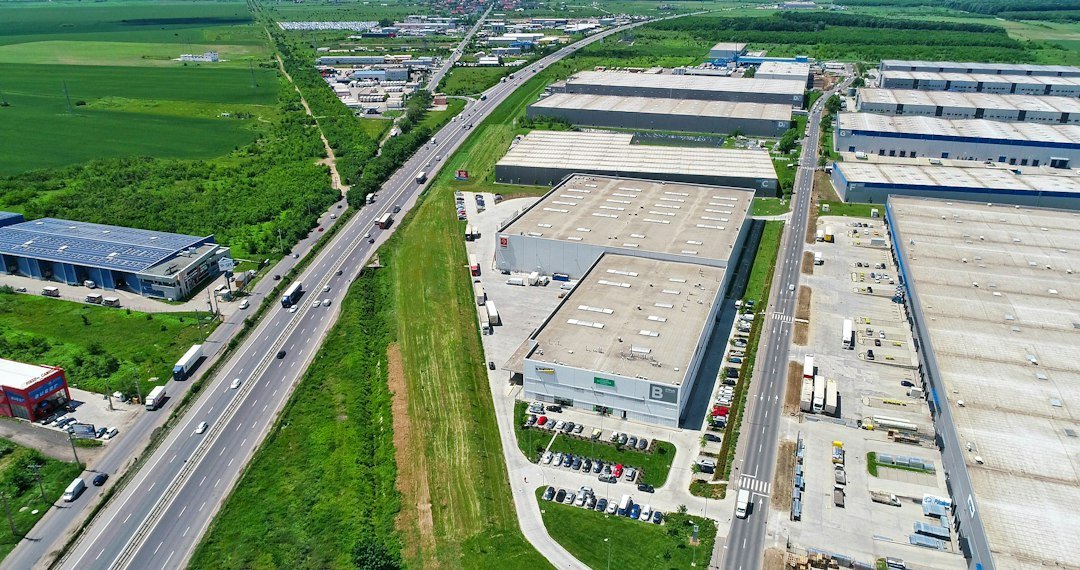
India’s Bharat Audyogik Vikas Yojna (BHAVYA) is designed to expand ready-to-use industrial infrastructure. The scheme’s central idea is to prepare roads, utilities and common facilities before companies set up operations, reducing the coordination burden involved in starting a manufacturing unit.
Key facts
| Parameter | Detail |
|---|---|
| Full form | Bharat Audyogik Vikas Yojna |
| Outlay | ₹33,660 crore |
| Target | 100 plug-and-play industrial parks |
| Implementation | FY 2026–27 to FY 2031–32 |
| Approval/notified | Cabinet approval in March 2026; notified 10 April 2026 |
| Assistance ceiling | Up to ₹1 crore per acre for eligible park development, subject to scheme rules |
What is a plug-and-play park?
Manufacturers need more than land. They require electricity, water, internal roads, drainage, waste-treatment facilities, digital administration and links to external transport networks. A park with shared, prepared infrastructure can reduce the number of tasks a firm must arrange independently. The scheme framework includes internal roads, power supply, water networks, drainage, common effluent treatment, ICT-enabled administration and other value-added facilities.
Dedicated Special Purpose Vehicles (SPVs) are expected to oversee development, operations, investor facilitation and long-term maintenance. The scheme is being implemented with States and private developers. Its success will depend on project readiness, quality of infrastructure, transparent selection, approvals and whether firms actually occupy the parks and begin production.
Why it matters to manufacturing and MSMEs
For a smaller manufacturer, infrastructure uncertainty can tie up capital and delay production. Shared utilities can reduce duplicated investment and create a more predictable environment. Better external connectivity matters too: a factory needs reliable routes to suppliers, workers, markets and logistics hubs. Yet the scheme does not guarantee that every park will attract investment or create the same number of jobs. Demand, workforce skills, finance, environmental compliance and local governance remain important.
How to read the scheme’s numbers
The target of 100 parks is a planned output, not a count of completed sites. The ₹33,660-crore outlay is not the same as money already spent. Assistance of up to ₹1 crore per acre is a ceiling subject to eligibility and approvals, not an automatic payment for every acre. Candidates should keep these distinctions clear in both objective questions and descriptive answers.
BHAVYA and other industrial-policy tools
Industrial estates, Special Economic Zones (SEZs), industrial corridors and plug-and-play parks all support industrial development, but they are not interchangeable. SEZs operate under a distinct legal framework; industrial corridors connect industrial nodes with transport and urban infrastructure; BHAVYA is a nationwide scheme targeting 100 plug-and-play parks. The PIB backgrounder reported 370 notified SEZs as of February 2026 and 4,164 industrial parks mapped on the India Industrial Land Bank as of 14 October 2026. These are different data categories and must not be added together or described as BHAVYA achievements.
The same backgrounder described manufacturing as contributing around 16–17% of GDP and employing more than 27 million workers. It referenced the National Manufacturing Mission’s ambition of raising manufacturing’s GDP share to 25% by 2035. These figures give context to the policy but do not measure BHAVYA’s own results.
What should be monitored next?
Useful indicators include the number of parks selected, land made ready, utility completion, time taken for approvals, investment realised, units beginning production, jobs created, occupancy and the reliability of external links. Tracking these indicators is more informative than repeating the headline outlay every time the scheme is mentioned.
Exam relevance
- Economy and government schemes: outlay, targets, implementation period and assistance design.
- MSME and manufacturing: shared infrastructure, logistics and investment barriers.
- Governance: Centre–State cooperation, private developers and SPVs.
- Static GK: SEZs, industrial corridors, industrial estates and public-private partnerships.
Possible MCQ areas
- BHAVYA’s full form.
- ₹33,660-crore outlay and target of 100 parks.
- Implementation period FY 2026–27 to FY 2031–32.
- Assistance ceiling of up to ₹1 crore per acre, subject to rules.
- Difference between a target, an outlay, expenditure and an outcome.
Official source and related reading
PIB: BHAVYA—Creating Investment-Ready Manufacturing Ecosystems.