Energy, environment and science explainer | 8 November 2026
India’s ethanol-blended petrol programme has returned to the news after a Karnataka sampling exercise reported unusually high ethanol percentages at certain retail outlets. On 7 November 2026, the Ministry of Petroleum and Natural Gas published a detailed clarification from the three public-sector oil marketing companies (OMCs)—Indian Oil Corporation Limited (IOCL), Bharat Petroleum Corporation Limited (BPCL) and Hindustan Petroleum Corporation Limited (HPCL). The release sets out their quality-monitoring results, explains the prescribed testing process and seeks joint verification of the disputed samples.
Important editorial distinction: this is the Ministry/OMCs’ account of the dispute. It reports 893 samples in the OMC/Centre for High Technology (CHT) exercise as compliant and challenges the methodology behind the separate Karnataka claims. It should not be described as a court verdict or as a final independent adjudication of every retail outlet.
What is E20 petrol?
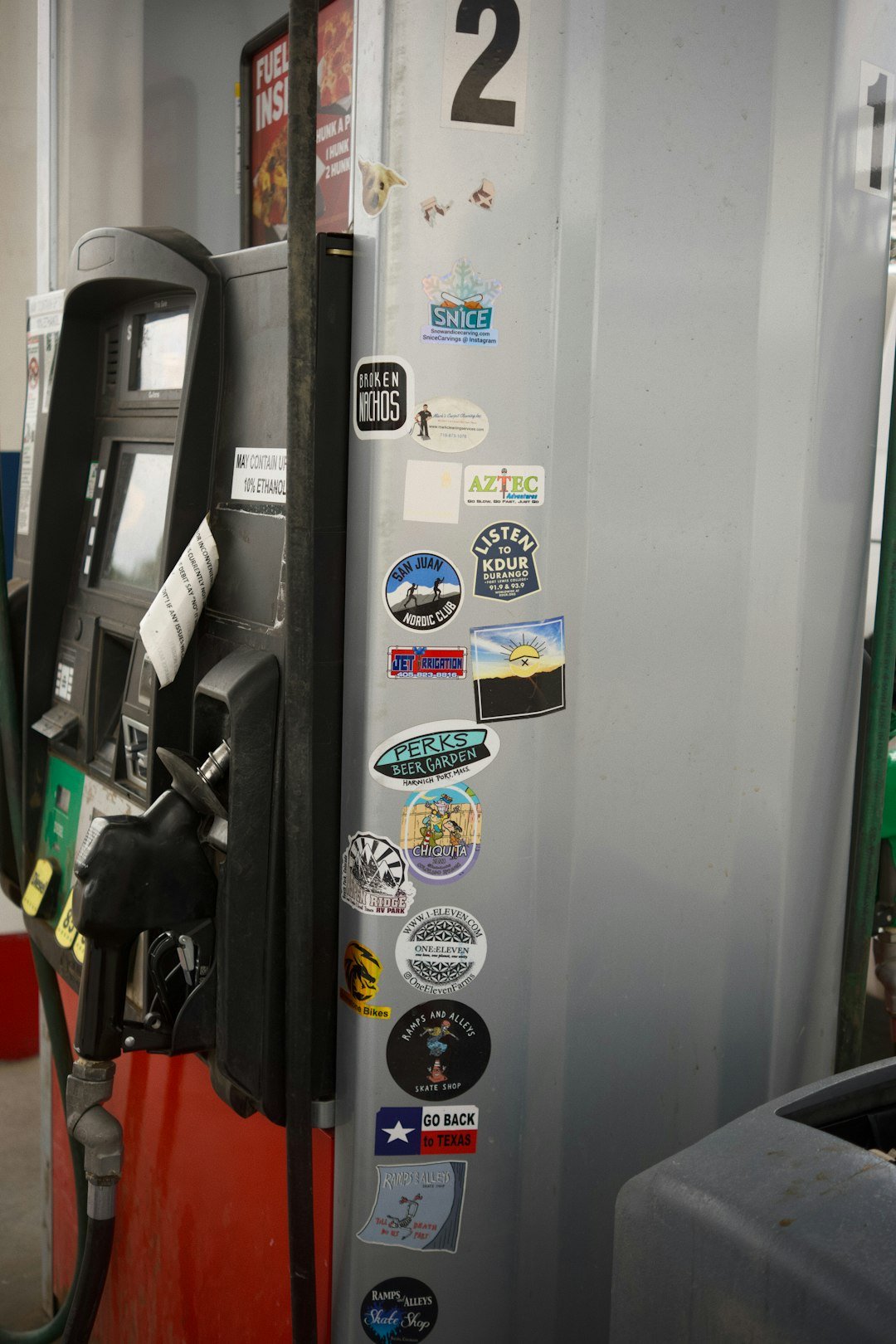
E20 is ethanol-blended motor gasoline containing a nominal 20% ethanol blend by volume. Ethanol is an alcohol that can be produced from biomass feedstocks such as sugarcane, maize and other agricultural material. The Ethanol Blended Petrol (EBP) Programme seeks to substitute a portion of petrol with domestically produced ethanol, thereby diversifying transport fuel and supporting energy-security and agricultural objectives.
India’s programme began with a pilot in 2001 and developed through successive policy steps, including the National Policy on Biofuels, 2018 and the NITI Aayog Roadmap for Ethanol Blending in India by 2025. The 20% blending target is a programme objective; actual fuel quality and ethanol content must still conform to the applicable standard and supply controls.
What did the Ministry report on 7 November?
The Ministry said the OMC/CHT Quality Coordination Cell exercise tested 893 E20 samples across 27 States and Union Territories. The sample distribution was:
| Oil marketing company | Samples |
|---|---|
| Indian Oil Corporation (IOCL) | 330 |
| Bharat Petroleum (BPCL) | 280 |
| Hindustan Petroleum (HPCL) | 283 |
| Total | 893 |
According to the release, all 893 samples were within the prescribed ethanol range of 19–21% when tested under IS 17021, Annex C, at refinery and OMC quality-control laboratories. In Karnataka, all 56 samples from different locations and all three OMCs were reported between 19% and 20%, averaging 19.30%.
Why did the Karnataka figures become disputed?
The Ministry’s statement responded to a Karnataka government press release that claimed petrol at certain outlets contained 26–31% ethanol during an October 2026 exercise. The OMCs said the reported certificates did not contain complete technical details required to validate the ethanol figures under prescribed procedures. They also said they had not received counterpart retention samples, full outlet-wise details and laboratory reports needed for independent verification or retesting.
The OMCs raised two main concerns: sampling protocol and laboratory methodology. They said the October exercise reportedly drew samples without OMC representatives, unlike the September exercise in which samples were routed through the State Level Coordinator to designated OMC laboratories. They requested complete documentation and joint testing at an authorised laboratory in the presence of State and OMC representatives.
The issue is not to accept or reject either side automatically. Fuel-quality findings require traceable samples, validated methods, authorised laboratories and counterpart testing. Until joint verification is completed and published, the conflicting figures should remain attributed to their respective sources.
How the prescribed sampling procedure works
The Ministry referred to the Motor Spirit and High Speed Diesel (Regulation of Supply, Distribution and Prevention of Malpractices) Order, 2005, issued under the Essential Commodities Act, 1955, and the Marketing Discipline Guidelines (MDG) 2024. The prescribed procedure calls for six one-litre samples:
- Two samples are handed to the dealer against acknowledgement.
- Two samples are retained by the oil company or department.
- Two samples are sent to a laboratory specified under Schedule III of the Control Order or notified in the Official Gazette.
- Sample labels are jointly signed, and test results are communicated to the dealer and oil company within the prescribed timeframe.
This division creates a chain of custody and permits a dispute to be checked through retained samples. For examination answers, connect it with regulatory compliance, evidence integrity, consumer protection and procedural fairness.
IS 17021: the technical standard
IS 17021:2018 is the Bureau of Indian Standards specification for ethanol-blended motor gasoline. The Ministry’s release refers to Amendment No. 3, August 2025, and identifies prescribed methods for determining ethanol content:
- Fourier Transform Infrared Spectroscopy (FTIR) under ASTM D5845.
- Water extraction under Annex C of the standard.
- Gas chromatography under ASTM D4815/D6839.
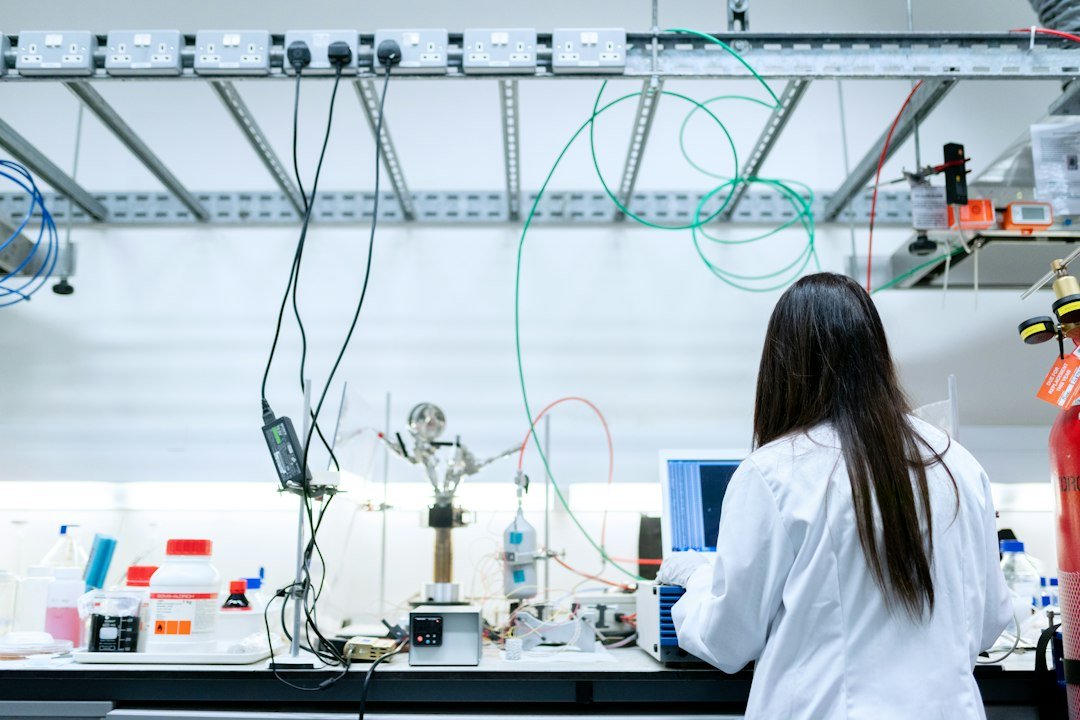
For gas chromatography under ASTM D4815/D6839, the Ministry says the sample must first be diluted in a 1:1 ratio with oxygenate-free petrol and the result corrected against an E10 certified reference material. The certificates cited in the Karnataka release reportedly mentioned gas chromatography but did not specify the applicable standard test method, dilution procedure or reference material. The Ministry said this omission prevented independent validation of the reported 26–31% figures against IS 17021.
The release also compared density readings. It reported that the Karnataka certificates showed 0.742–0.749 g/cc for samples claimed to contain 26–31% ethanol, whereas OMC samples tested under QCC-1 and QCC-2 recorded 0.752–0.760 g/cc. Because ethanol has a higher density than petrol, a higher ethanol proportion would ordinarily raise blend density. The Ministry presented this discrepancy as another reason for verification; density alone should not be used by readers as a substitute for a prescribed ethanol test.
Does E20 affect mileage and vehicle compatibility?
Vehicle performance depends on fuel calibration, materials compatibility, engine design and manufacturer specifications. The Ministry’s 12 August 2025 response, cited on 7 November, estimated mileage reduction at 1–2% for E20-calibrated vehicles and 3–6% for some other vehicles, depending on category and calibration. These estimates draw on assessments involving IOCL, ARAI and SIAM; they are not a guarantee for every model. The Ministry also cited more than 30 crore two-wheelers and 4 crore four-wheelers using E20 for over three years, with no widespread breakdown incidence reported. It said blanket 10% mileage-loss and national repair-cost estimates need transparent evidence. Owners should follow manufacturer fuel-compatibility guidance.
Economic and environmental rationale
The EBP programme aims to reduce imported-crude dependence, strengthen agricultural value chains and lower lifecycle emissions where production conditions support it. The Ministry reported these cumulative outcomes since Ethanol Supply Year (ESY) 2014–15:
| Reported benefit | Figure |
|---|---|
| Foreign-exchange savings | More than ₹1.97 lakh crore |
| Crude-oil substitution | About 316 lakh metric tonnes |
| CO₂ emissions reduction | About 952 lakh metric tonnes |
| Transfers to farmers | More than ₹1.66 lakh crore |
For ESY 2025–26 up to 31 October 2026, PSU OMCs reportedly procured 1,089 crore litres and blended 1,134 crore litres against petrol sales of about 5,673 crore litres. Assess benefits alongside feedstock and water use, land impacts, food-versus-fuel concerns, vehicle compatibility and lifecycle emissions; ethanol is not automatically impact-free.
UPSC and State PSC relevance
- GS-III—Environment: biofuels, carbon emissions, air pollution and sustainable energy transitions.
- GS-III—Economy: crude import dependence, foreign exchange, agriculture-industry linkages and energy security.
- Science & Technology: fuel testing, spectroscopy, chromatography, reference materials and standards.
- Governance: Essential Commodities Act, statutory control orders, BIS standards, sampling chain of custody and consumer protection.
- Essay/interview: balancing decarbonisation, vehicle technology, consumer costs, farmers’ income and scientific evidence.
Static GK and terms to remember
| Term | Meaning / exam link |
|---|---|
| EBP | Ethanol Blended Petrol Programme |
| E20 | Nominal 20% ethanol blend by volume |
| BIS / IS 17021 | Bureau of Indian Standards; fuel specification |
| OMC | Oil Marketing Company—IOCL, BPCL and HPCL |
| CHT | Centre for High Technology, Petroleum Ministry |
| ESY | Ethanol Supply Year |
What happens next?
OMCs seek outlet-wise records and counterpart samples for authorised referee testing with State and company representatives. The Ministry says proven deviations will be handled under applicable guidelines. Follow further official updates; neither set of figures is a final adjudication.
Related preparation resources
Connect this topic with the Critical Mineral Processing Scheme and energy-transition coverage in the Current Affairs Hub. Today’s official figures are also summarised in Daily Current Affairs 8 November.
Official sources
- Ministry of Petroleum & Natural Gas / PIB: E20 petrol quality standards, 893 samples and testing methodology (7 November 2026)
- PIB: Response to concerns on blending of ethanol in petrol and beyond (12 August 2025)
- Bureau of Indian Standards (BIS) — consult the applicable IS 17021 edition/amendments through official standards access.
- NITI Aayog — ethanol blending roadmap and energy-policy resources.
Key takeaway: E20 is an energy-security and agricultural policy instrument, but fuel quality must be established through a prescribed sampling chain and standardised laboratory method. The November 2026 dispute is a useful case study in scientific verification, standards and regulatory transparency.