Daily Current Affairs | 31 October 2026 | Reading time: 8–10 minutes
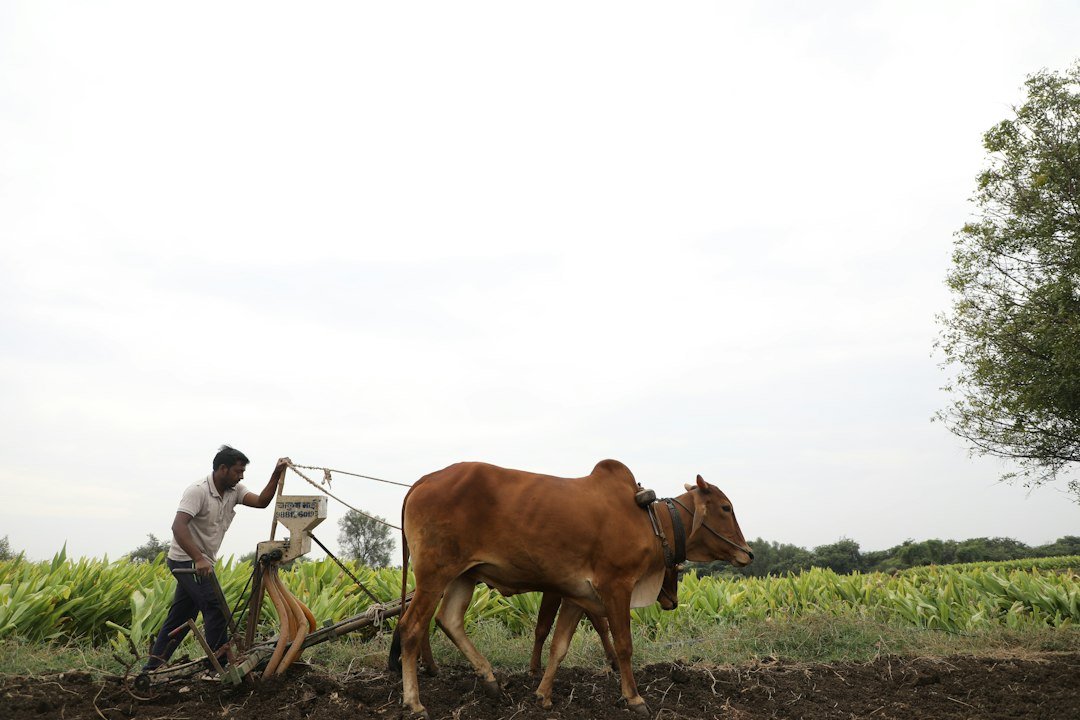
Today’s developments connect agriculture, banking, national integration, infrastructure and science. The most exam-relevant figures are not isolated headlines: the 24th PM-KISAN instalment involved more than ₹18,000 crore for around 10 crore farmers; the new banking committee has a six-month mandate; and the National Unity Day observance on 31 October marks the 151st birth anniversary of Sardar Vallabhbhai Patel.
1. PM-KISAN: 24th instalment transferred to farmers
What happened
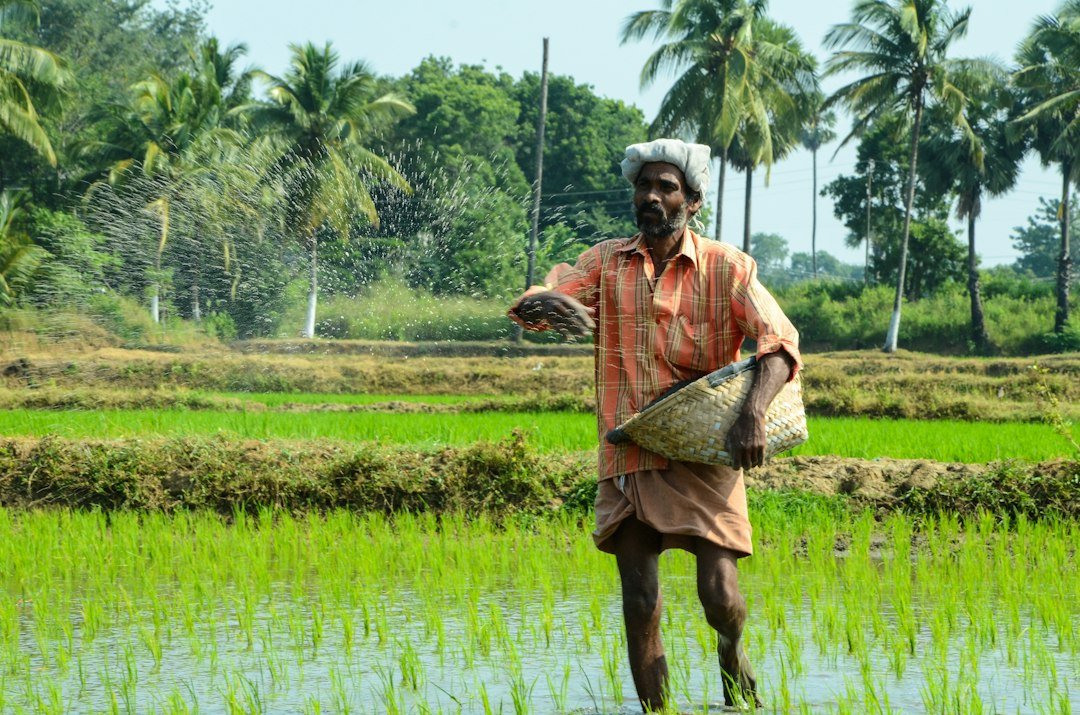
On 30 October, Prime Minister Narendra Modi released the 24th instalment of the Pradhan Mantri Kisan Samman Nidhi (PM-KISAN) during a programme in Banaskantha, Gujarat. The Prime Minister’s Office reported that more than ₹18,000 crore was transferred to the bank accounts of approximately 10 crore farmers across the country. In Gujarat, more than ₹1,000 crore was credited to over 50 lakh farmers; the Banaskantha allocation was reported at nearly ₹50 crore.
Why it matters
PM-KISAN is a direct income-support programme. The money is transferred to eligible landholding farmer families through Direct Benefit Transfer (DBT), making bank-account accuracy, Aadhaar seeding and beneficiary verification operationally important. The latest transfer is also a useful example for questions on DBT, financial inclusion, agricultural support and the use of digital public infrastructure in welfare delivery.
The programme should not be confused with crop insurance, fertiliser subsidy or minimum support price (MSP). PM-KISAN provides income support; PM Fasal Bima Yojana addresses specified crop-loss risks; MSP is a price-support mechanism; and fertiliser subsidy reduces the cost of an agricultural input.
Background and key facts
- PM-KISAN was launched in February 2019, with effect from 1 December 2018.
- The scheme provides ₹6,000 per year to eligible farmer families in three equal instalments of ₹2,000, subject to exclusion and eligibility rules.
- The 24th instalment announcement reported more than ₹18,000 crore for about 10 crore farmers.
- PM-KISAN is implemented by the Department of Agriculture and Farmers Welfare, Ministry of Agriculture and Farmers Welfare.
The Banaskantha event also highlighted agricultural and livestock initiatives. The Prime Minister referred to more than 26 crore Soil Health Cards, nearly 12 lakh solar pumps under PM-KUSUM and around 150 crore livestock vaccine doses administered under the national vaccination effort. These are separate programme figures and should not be added to the PM-KISAN transfer amount.
Exam relevance and static GK connection
For UPSC and State PSC, link PM-KISAN to DBT, landholding-based eligibility, agricultural income support and the broader debate on farm welfare. For banking examinations, understand DBT, Aadhaar-enabled payment infrastructure and the role of banks in last-mile benefit delivery. For agriculture and rural-development examinations, connect PM-KISAN with Soil Health Card, PM-KUSUM, PM Fasal Bima Yojana and the Rashtriya Gokul Mission.
Possible MCQ areas: launching year and effective date; annual assistance and instalment size; implementing ministry; difference between PM-KISAN and PMFBY; purpose of Soil Health Cards; and the DBT mechanism.
2. National Unity Day: 151st birth anniversary of Sardar Vallabhbhai Patel
What happened and why it matters
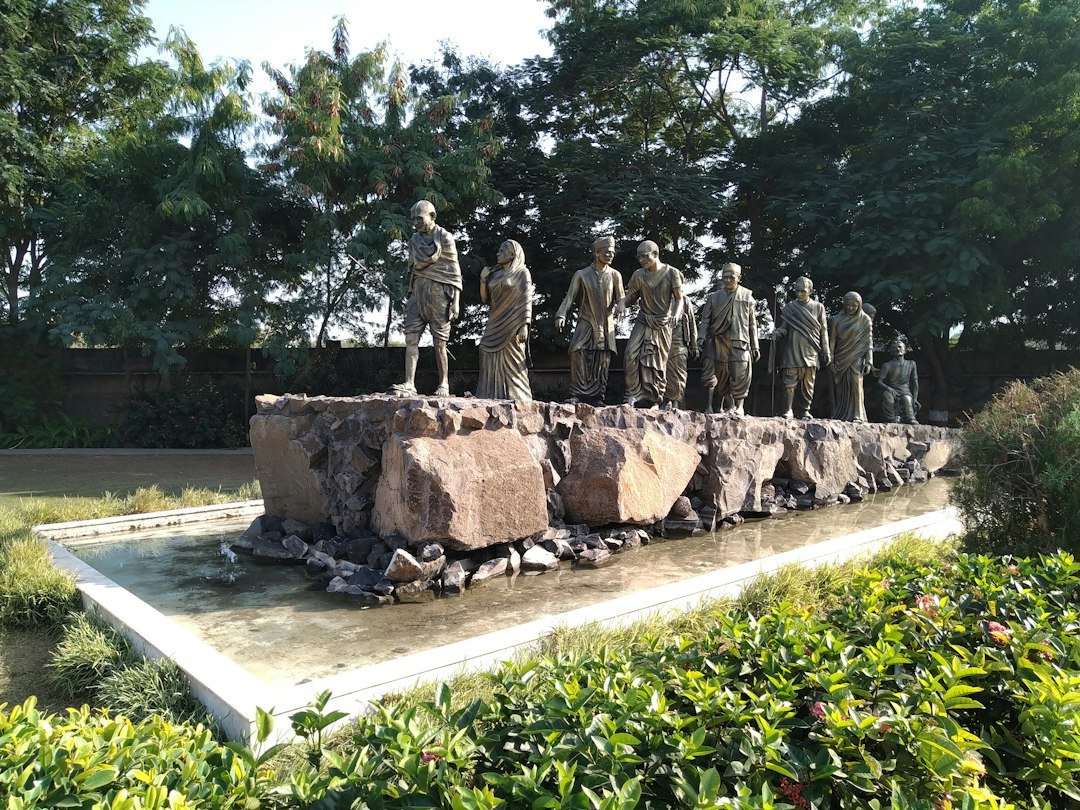
India observes Rashtriya Ekta Diwas (National Unity Day) every year on 31 October, the birth anniversary of Sardar Vallabhbhai Patel. In 2026, the observance marks his 151st birth anniversary. The day highlights national integration and Patel’s central role in bringing hundreds of princely states into the Indian Union after Independence. The Prime Minister’s 30 October address in Banaskantha also referred to the Run for Unity and the Unity Festival at Ekta Nagar.
Background
Patel, born on 31 October 1875 at Nadiad in Gujarat, became independent India’s first Deputy Prime Minister and Home Minister. He worked with V. P. Menon and the States Department to secure the accession and integration of princely states. The process involved diplomacy, administrative negotiation and, in a few cases, difficult political and security decisions. The integration of Hyderabad and Junagadh are frequently studied examples.
The Statue of Unity at Ekta Nagar (formerly Kevadia), Gujarat, commemorates Patel. At 182 metres, it is widely recognised as the world’s tallest statue. The site is located near the Sardar Sarovar Dam on the Narmada River.
Exam relevance and static GK
Remember the date, birth year, birthplace, constitutional offices held by Patel, the role of the States Department, V. P. Menon, the integration of princely states and the location and height of the Statue of Unity. This topic is relevant to modern Indian history, post-Independence consolidation, polity and national days.
Possible MCQ areas: National Unity Day date; Patel’s birth year; first Deputy Prime Minister and Home Minister; V. P. Menon’s role; Statue of Unity location and height; and the Narmada river connection.
3. High Level Committee on Banking for Viksit Bharat constituted
The Ministry of Finance announced on 30 October that the Government has constituted the High Level Committee on Banking for Viksit Bharat. The committee is chaired by Suresh N. Patel, former Central Vigilance Commissioner. Its members are Shirish Chandra Murmu, Deputy Governor of the Reserve Bank of India; Padmaja Chunduru, former MD and CEO of Indian Bank; and N. S. Vishwanathan, former RBI Deputy Governor. The Joint Secretary (Banking), Department of Financial Services, will be Member Secretary. Its tenure is six months.
The committee will examine banking practices and prudential norms, the legal and regulatory framework for banks including Regional Rural Banks and cooperative banks, long-term capital requirements, cost of capital, AI and digital innovation, cyber-risk safeguards, talent development, Priority Sector Lending and the Lead Bank Scheme. The committee was announced in the Union Budget 2026–27 by Finance Minister Nirmala Sitharaman.
For examination preparation, distinguish the committee’s review role from the RBI’s regulatory and supervisory functions. The committee is expected to make recommendations; the PIB announcement does not itself change banking law, RBI directions or PSL targets.
Possible MCQ areas: committee chairperson; tenure; Member Secretary; announcement in Budget 2026–27; institutions included in the review; and the two financial-inclusion frameworks named in the terms of reference—Priority Sector Lending and the Lead Bank Scheme.
4. Gujarat development projects worth more than ₹14,000 crore
At Banaskantha, the Prime Minister laid foundation stones, inaugurated and dedicated projects worth over ₹14,000 crore. The official account highlighted agriculture, dairy, connectivity and social infrastructure. Two new rail services—the Ahmedabad–Varanasi Sabarmati Express and Mehsana–Becharaji–Sabarmati MEMU—were flagged off. The programme also included expansion plans for Ahmedabad Metro, including links towards GIFT City and the airport, and an eight-laning project for the Ahmedabad–Mehsana highway.
In the social sector, more than 4,000 modern Anganwadis were inaugurated across Gujarat, expected to benefit around four lakh children and pregnant women. Two bio-CNG plants were also part of the announced initiatives, connecting livestock waste management with renewable energy and organic fertiliser.
For geography and economy questions, locate Banaskantha in north Gujarat, understand the role of dairy cooperatives such as Banas Dairy, and connect bio-CNG with compressed biogas and the circular economy. Treat the ₹14,000-crore project value as the combined value stated by the PMO, not as the budget of a single scheme.
5. India to host ICAR–CGIAR Science and Partnership Week 2027
The Ministry of Agriculture and Farmers Welfare announced that India will host the ICAR–CGIAR Science and Partnership Week in New Delhi from 12 to 17 April 2027. The official release expects more than 5,000 delegates. The event is significant because ICAR is India’s apex agricultural research organisation, while CGIAR is an international network of agricultural research centres working on food security, nutrition, natural resources and climate-resilient agriculture.
For science and agriculture examinations, revise ICAR’s full name—the Indian Council of Agricultural Research—and its role in coordinating agricultural research and education. CGIAR is not an Indian ministry or a United Nations specialised agency. The event’s stated scale is an expectation, not a confirmed attendance figure.
Quick revision: figures and facts
| Topic | Exam-relevant fact |
|---|---|
| PM-KISAN 24th instalment | Over ₹18,000 crore; about 10 crore farmers |
| PM-KISAN assistance | ₹6,000 annually in three instalments of ₹2,000 |
| National Unity Day 2026 | 31 October; 151st birth anniversary of Patel |
| Statue of Unity | 182 metres; Ekta Nagar, Gujarat |
| Banking committee tenure | Six months |
| Gujarat projects | Over ₹14,000 crore |
| ICAR–CGIAR Week | 12–17 April 2027; over 5,000 delegates expected |
Official sources
- PMO: Banaskantha projects and 24th PM-KISAN instalment, 30 October 2026
- Ministry of Finance: High Level Committee on Banking, 30 October 2026
- PIB daily releases, 31 October 2026
- Official PM-KISAN portal
Related articles on DailyGKUpdate
- Daily Current Affairs 30 October 2026
- Khelo India Sports Goods Manufacturing Scheme 2026
- Daily Current Affairs 26 October 2026
- History for SSC Chapter 10: Early Medieval India
- Current Affairs Hub
Editorial note: Figures and programme details are attributed to the official releases linked above. This article is an educational summary; the issuing ministry’s notification remains authoritative where operational eligibility or benefit status is concerned.