Updated 27 October 2026 · Approx. 8-minute read
Today’s exam brief connects space technology, science policy, rural enterprise and transport regulation. A Press Information Bureau release dated 26 October reports a ₹116 crore Research, Development and Innovation (RDI) support agreement involving the Technology Development Board (TDB), under the Department of Science and Technology (DST), and Manastu Space to advance indigenous green propulsion technology. The Prime Minister’s Office announced the Emerging Science, Technology and Innovation Conclave (ESTIC) 2026 for 27 October. The Ministry of Rural Development highlighted Lakhpati Didi enterprise journeys at the National SARAS Mela, while the Ministry of Road Transport and Highways listed an update concerning E85/E100 flex-fuel vehicle rules. These are separate developments and their figures should not be combined.
Green propulsion: what happened?
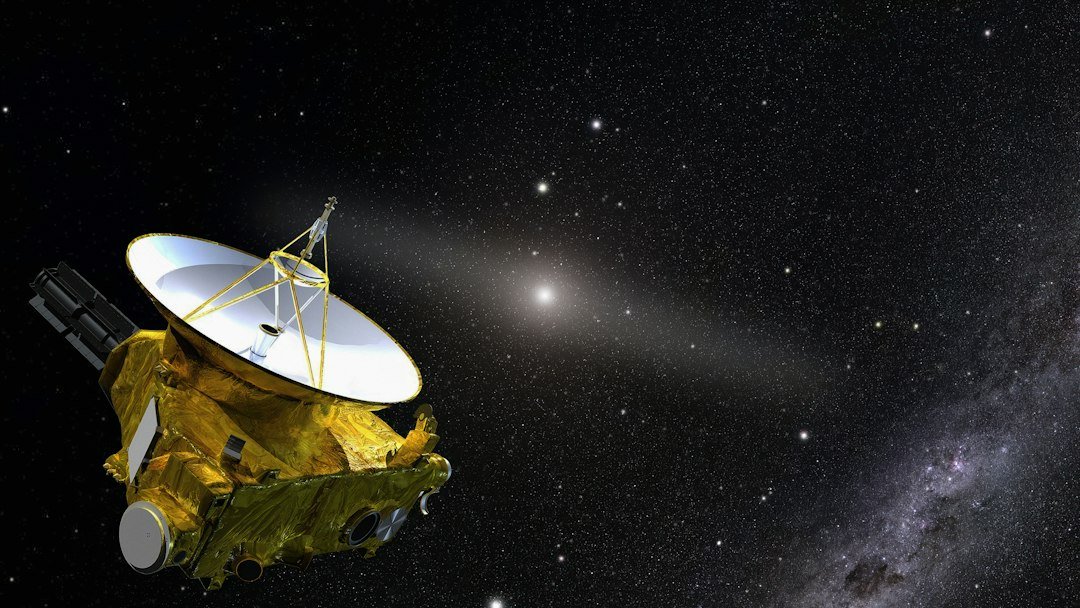
The announced ₹116 crore RDI support is intended to advance indigenous green propulsion technology being developed by Manastu Space. Propulsion is a spacecraft subsystem used to change velocity, adjust orbit and support mission operations. The announcement is relevant to strategic technology, private-sector space capability and the policy challenge of moving domestic research towards practical use. The figure is the announced support amount; it should not be described as the company’s total project cost, revenue or proof of completed commercial deployment. Qualification, reliability, production scale and customer adoption remain separate milestones.
What does green propulsion mean?
“Green propulsion” broadly refers to approaches intended to reduce some combination of propellant toxicity, handling hazards, environmental burden or operational complexity. It does not mean zero environmental impact. Engineers balance thrust, specific impulse, storage stability, mass, reliability, power requirements and ground-handling procedures. A safer-to-handle propellant is not automatically superior on every performance measure; suitability depends on the mission.
Technology Development Board and RDI
For exam notes, distinguish the institutions: DST is the government department; TDB is the body named in the agreement; Manastu Space is the company. Do not attribute the agreement to ISRO unless a primary source says so. RDI means research, development and innovation. Research generates knowledge; development turns concepts into workable technologies; innovation applies or commercialises ideas. Government support can help bridge the gap between laboratory work and a reliable product, but funding alone does not establish commercial success.
ESTIC 2026 and emerging science
The Prime Minister’s Office announced on 26 October that the Prime Minister would inaugurate the Emerging Science, Technology and Innovation Conclave 2026 on 27 October. At publication time, this was a scheduled event, so no unconfirmed outcome is claimed. ICGEB New Delhi also issued a curtain-raiser highlighting systems and synthetic biology. Systems biology studies how biological components interact; synthetic biology involves designing or engineering biological components, systems or organisms for specific purposes. Both may support health, agriculture, biotechnology and environmental research. They are not synonyms for AI, although computational methods can assist them.
For current-affairs revision, record an event’s name, date, organising context and subject areas, then revisit the official release for confirmed outcomes. This prevents a scheduled programme from being incorrectly reported as completed.
Lakhpati Didis and the National SARAS Mela
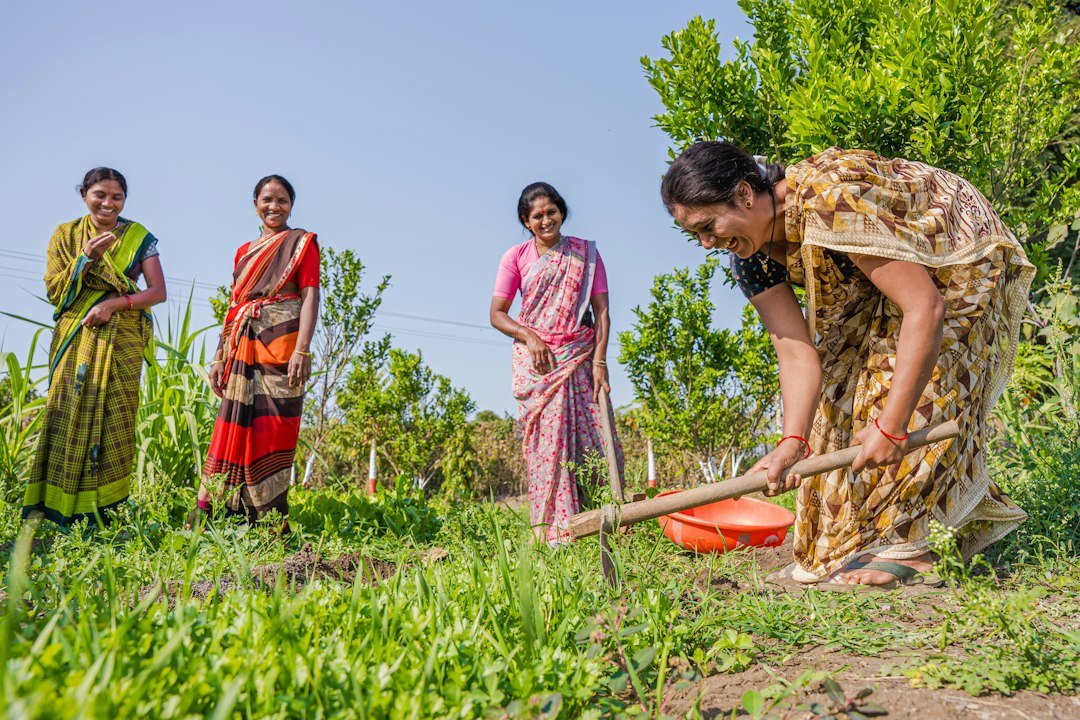
The Ministry of Rural Development highlighted enterprise journeys of Lakhpati Didis at the National SARAS Mela 2026. The policy significance lies in the path from self-help-group participation to sustainable income. Product quality, packaging, working capital, transport, digital payments, repeat customers and market access can determine whether a small enterprise grows. “Lakhpati Didi” refers in the government’s rural-livelihood context to women associated with self-help groups achieving an annual household income threshold of at least ₹1 lakh through sustainable livelihood activities; it is not a salary grade or one-time grant. The wider institutional context includes Deendayal Antyodaya Yojana–National Rural Livelihoods Mission (DAY-NRLM).
Individual success stories should not be presented as a nationwide total unless the source supplies a verified aggregate and measurement period. Distinguish examples, programme targets, cumulative totals and measured outcomes.
E85/E100 flex-fuel vehicle rules
The Ministry of Road Transport and Highways listed an update on rules to facilitate E85/E100 flex-fuel vehicles. E85 generally denotes a blend with a high proportion of ethanol; E100 denotes ethanol fuel. Exact definitions and technical requirements must be checked against the applicable notification and standards. Flex-fuel vehicles are designed to operate on more than one approved ethanol–petrol blend. The policy connects fuel diversification, vehicle compatibility, emissions, engine design and ethanol supply. Not every existing petrol vehicle can use E85 or E100; compatibility depends on design and approval.
Key facts
- ₹116 crore: announced RDI support agreement for Manastu Space’s indigenous green propulsion technology.
- 26 October 2026: date of the cited official announcements.
- 27 October 2026: scheduled inauguration date announced for ESTIC 2026.
- TDB: Technology Development Board, under DST.
- DAY-NRLM: Deendayal Antyodaya Yojana–National Rural Livelihoods Mission.
- E85/E100: ethanol-rich fuel categories relevant to flex-fuel standards.
Why it matters for competitive exams
UPSC and State PSC candidates can connect propulsion support with strategic technology, R&D policy and commercialisation. Science and engineering recruitment exams may test propulsion basics. General studies can examine DST and TDB. Banking and insurance examinations may ask about self-help groups, rural livelihoods and women’s economic participation. Transport rules connect to energy security and environmental regulation.
Static GK connection
- DST: Department of Science and Technology, Government of India.
- Space propulsion: a system that changes or controls spacecraft motion.
- RDI: research, development and innovation.
- DAY-NRLM: rural livelihood mission supporting community institutions and livelihoods.
- Ethanol: an alcohol used in transport-fuel blends subject to standards.
Possible MCQ areas
- Which body signed the ₹116 crore RDI support agreement with Manastu Space?
- What is the full form of ESTIC?
- Why does green propulsion not automatically mean zero environmental impact?
- What is the rural-livelihood context of Lakhpati Didis?
- What do E85 and E100 refer to?
Official sources
- Press Information Bureau official releases — check 26 October DST, Rural Development and MoRTH items.
- Prime Minister’s Office — ESTIC announcement and outcomes.
- Department of Science and Technology — institutional background.
Related articles
- Daily Current Affairs 26 October 2026 — BRICS, Farmer IDs and sports.
- Machine-learning-assisted wastewater filter — research and environmental applications.
- India’s seaweed cultivation sector — production and livelihood support.
- Competitive Exams Preparation Hub — exam-wise resources.
How to interpret the figures responsibly
For prelims and mains preparation, note exactly what each number measures. The ₹116 crore figure is linked to an announced support agreement; it is not a count of satellites, an estimate of India’s total space-sector investment or a measure of propulsion performance. The date 26 October identifies the publication of the cited announcements, while 27 October is the scheduled ESTIC inauguration date. Keeping amount, event date and implementation status separate prevents a common current-affairs error: attaching a correct figure to the wrong programme or treating an announcement as a completed result.
When a government release describes a technology as indigenous, that generally points to domestic development or capability. It does not, by itself, establish that every component is locally manufactured, that no imported inputs are used or that the system is already operational. For a careful answer, use the wording and scope of the official release and avoid expanding a claim beyond the evidence.
What to revise after reading
Build a short comparison note with four columns: organisation, announcement, key number/date and exam connection. For the propulsion story, record TDB, DST, Manastu Space and ₹116 crore. For ESTIC, record the full name and distinguish a scheduled event from confirmed outcomes. For rural livelihoods, connect Lakhpati Didis to self-help groups and DAY-NRLM. For flex-fuel rules, revise ethanol blends and vehicle compatibility. This approach makes the briefing useful across UPSC, State PSC, SSC, railway, defence, teaching and banking examinations without forcing every story into the same MCQ template.
Editorial note: planned events are described as scheduled; announced support is not presented as completed commercial deployment. Recheck primary sources for subsequent updates.