Economy & Trade Explainer | 14 November 2026
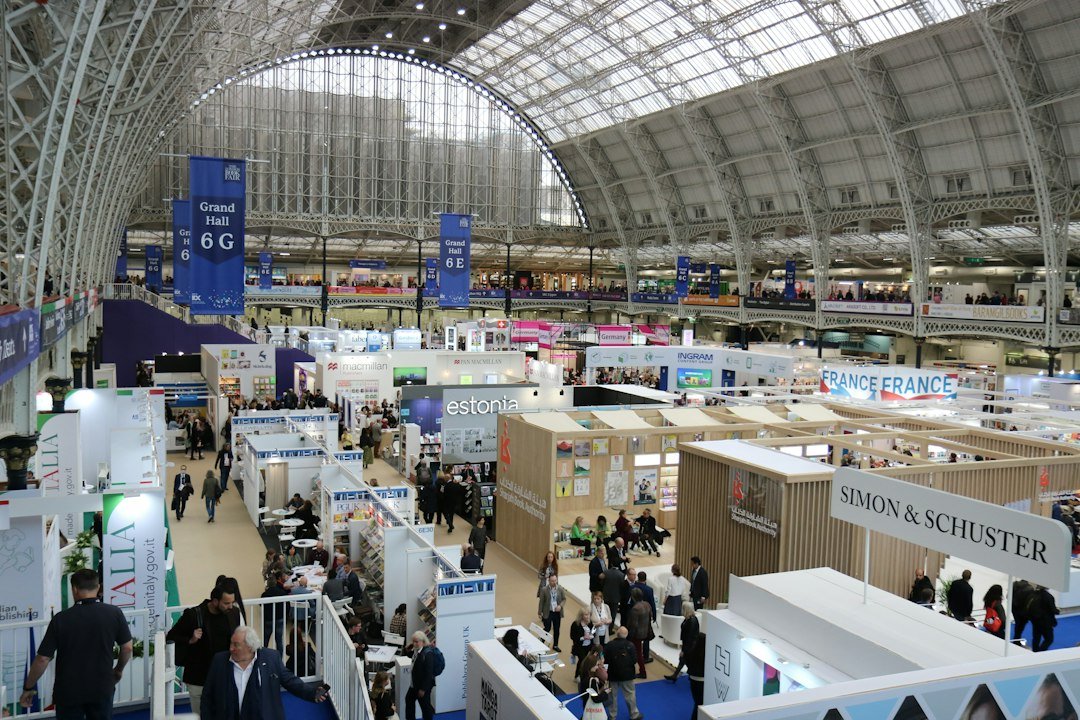
The 45th India International Trade Fair (IITF) opened at Bharat Mandapam, New Delhi, on 14 November 2026 under the theme “Vikas aur Virasat” (Development and Heritage). Organised by India Trade Promotion Organisation (ITPO), the fair runs through 27 November. Its scale—thousands of exhibitors, State and Union Territory participation, international pavilions and a start-up showcase—makes it a useful current-affairs topic for economy, MSME, export promotion, culture and public-sector institutions.
IITF 2026: key facts
- Edition: 45th India International Trade Fair.
- Dates: 14–27 November 2026.
- Venue: Bharat Mandapam, New Delhi.
- Theme: Vikas aur Virasat.
- Organiser: India Trade Promotion Organisation (ITPO).
- Exhibitors: more than 3,500, according to the official advance brief.
- International participation: 11 countries.
- States/UTs: advance brief described 32; opening-day update said 30 were showcasing their strengths.
- Exhibition area: over 1,00,000 square metres across 17 halls in the advance brief.
- Start-ups: around 600 expected at the Hall of Inspiration.
The numbers should be read with their context. “Expected”, “participating” and “showcasing” are not interchangeable; event counts can vary between advance planning and opening-day reporting. The official event page is the best source for visitor arrangements and the live programme.
What does a trade fair do?
A trade fair is a time-bound marketplace and business-networking platform where producers, buyers, distributors, government agencies, service providers and consumers meet. Unlike a purely online catalogue, an exhibition allows product demonstrations, direct interaction, negotiation, sampling, feedback and the development of commercial relationships. A public trade fair can combine business-to-business activity with retail sales and cultural programming.
For an MSME, the cost of finding buyers, explaining a product and building trust can be significant. A common exhibition platform can reduce search costs by bringing many buyers and sellers together. It can expose small producers to packaging, quality, pricing, design and market expectations. The benefit is not automatic: a stall does not guarantee orders, export contracts or sustained sales. Follow-up, product quality, compliance, logistics and payment terms remain essential.
ITPO: the institution behind IITF
India Trade Promotion Organisation is the Government of India’s apex trade-promotion institution and organises exhibitions, trade events and international business engagement. IITF is one of its flagship events. ITPO’s role is to create a platform and facilitate participation; it is not a regulator that certifies every product displayed, nor does participation imply that government endorses every exhibitor’s commercial claim.
For static GK, connect ITPO with the Ministry of Commerce and Industry, Bharat Mandapam in New Delhi and trade-promotion activity. The fair is a public-facing event where central ministries, public-sector undertakings, public-sector banks and State governments can present schemes and capabilities to citizens and businesses.
“Vikas aur Virasat”: development with heritage
The theme brings two ideas together. “Vikas” refers to economic, technological and infrastructure progress; “Virasat” refers to heritage, craft, cultural practices, local products and regional identity. A trade fair can showcase modern manufacturing alongside handloom, handicraft, food, tourism and traditional art. That combination is relevant to India’s diversity and to the challenge of connecting cultural production with viable markets.
Partner States identified in the advance brief were Bihar, Maharashtra, Rajasthan and Uttar Pradesh. Focus States were Assam, Delhi, Jharkhand and West Bengal. Their pavilions can present local industries, tourism, products and cultural programmes. International participation—11 countries in the official brief—adds commercial engagement and cultural exchange, but the number of participating countries should not be mistaken for the number of trade agreements or formal diplomatic outcomes.
ODOP, artisans and the start-up pavilion
The One District One Product (ODOP) approach seeks to identify, promote and market a product associated with each district, drawing attention to local skills, raw materials and production clusters. In a fair setting, an ODOP pavilion can help buyers discover district products and allow producers to explain origin, methods and value. Market access is most useful when linked to product standards, packaging, logistics, digital catalogues and repeat orders.
The Hall of Inspiration is expected to feature about 600 start-ups. This is significant because start-ups often need visibility, customer discovery and investor or partner conversations. However, “showcased at IITF” is not equivalent to “funded”, “incubated” or “commercially successful”. Candidates should keep these distinctions precise when interpreting official figures.
Connecting IITF with India’s export performance
The fair opened amid a strong official export estimate. The Ministry of Commerce and Industry reported that combined merchandise and services exports during April–October 2026–27 were estimated at US$568.84 billion, against US$487.59 billion in April–October 2025–26, a rise of 16.66%. Merchandise exports were US$309.06 billion, up 21.96%, while non-petroleum exports reached US$259.22 billion, up 18.01%.
October’s combined exports were estimated at US$89.99 billion and imports at US$110.07 billion. This implies a combined trade deficit of US$20.09 billion for that month. The export headline therefore should not be interpreted as a trade surplus. Monthly services figures are estimates because the latest RBI services data used in the release was for September; the ministry also notes revisions to cumulative figures.
IITF can complement export promotion by helping firms identify buyers and display products, but it is not itself the cause of reported export growth. Export outcomes depend on global demand, exchange rates, competitiveness, trade agreements, production capacity, quality standards, logistics and policy conditions.
Trade fairs and India’s MSME ecosystem
Micro, Small and Medium Enterprises account for a large and diverse base of manufacturing, services and employment. Their constraints often include working capital, market information, technology, certification, logistics and bargaining power. Exhibitions can address one part of this problem—market discovery—by providing a concentrated platform for buyer interaction. They cannot substitute for credit, skills, infrastructure or regulatory compliance.
For exam answers, a balanced evaluation is stronger than a promotional description. Mention potential buyer–seller linkages, export awareness, artisan visibility, product feedback and regional branding; then note the need for quality assurance, sustained marketing and reliable fulfilment. The same logic applies to government-supported trade events and international exhibitions.
How candidates should read the official data
| Reported item | Correct interpretation |
|---|---|
| 3,500+ exhibitors | Participation scale; not number of export contracts |
| 11 countries | International participation; not 11 FTAs |
| 600 start-ups | Expected showcase count; not funding recipients |
| US$568.84 billion exports | April–October merchandise + services estimate |
| 16.66% growth | Year-on-year cumulative growth for the stated period |
| US$20.09 billion deficit | October combined trade balance, exports minus imports |
Exam relevance and static GK
UPSC GS III: Indian economy, exports, MSMEs, industrial policy, trade and infrastructure. GS I: Indian culture, crafts, regional diversity and heritage. GS II: institutions and government programmes. State PSC: partner/focus States, local products, State pavilions and regional industries. SSC/Banking: ITPO, Ministry of Commerce and Industry, Bharat Mandapam, ODOP, export/import and trade balance.
Possible MCQ areas
- IITF edition, dates, venue, theme and organiser.
- ITPO’s institutional role and ministry.
- Partner States versus Focus States.
- ODOP’s district-product logic.
- Exhibitor count, participating countries and start-up showcase.
- Difference between merchandise exports, services exports and total exports.
- Trade balance: exports minus imports; deficit versus surplus.
Official sources
- PIB: IITF 2026 inauguration, 13 November 2026
- PIB: IITF advance brief—participation and theme
- ITPO: 45th IITF 2026 event page
- PIB: India’s April–October export estimates
Related reading
Daily Current Affairs 14 November 2026 · Current Affairs Hub · Competitive Exams Hub · Stand-Up India and Mudra credit guarantee extension · PLI impact assessment 2026.

One thought on “IITF 2026 Vikas aur Virasat: 45th India International Trade Fair, ITPO and Export Facts”
Comments are closed.