Updated: 13 November 2026 | Reading time: 8–10 minutes
India’s latest public-health numbers offer an unusually useful case study in how national programmes, diagnostic technology and community participation can change outcomes. The Ministry of Health and Family Welfare, citing the WHO Global Tuberculosis Report 2026 released on 12 November, reported a 38% fall in estimated TB mortality in India between 2015 and 2025. The same update placed treatment success for drug-susceptible TB at 94%. Those figures deserve more than a headline: they connect directly to epidemiology, public administration, health financing and the design of a last-mile service-delivery programme.
1. What happened?
On 12 November 2026, PIB published an update on India’s progress towards TB elimination, drawing on the WHO Global TB Report 2026. The release reported three headline indicators: estimated TB mortality declined by 38% from 2015 to 2025; the treatment-success rate for drug-susceptible TB reached 94%; and the TB Mukt Bharat Abhiyaan had covered more than 25 crore people through intensified outreach. Programme screening activity included over 11 crore chest X-rays and 3 crore molecular tests.
The government also reported 48.64 lakh TB cases detected through intensified screening, including 14.97 lakh asymptomatic cases. These are programme figures cited in the PIB release, not a substitute for the full WHO country profile. The 2025 nationally representative TB prevalence survey conducted by ICMR–National Institute for Research in Tuberculosis has been shared with WHO and remains under technical discussion; the release says an updated country profile will follow that process.
2. Why it matters
TB is not only a clinical problem. It is shaped by crowded housing, nutrition, access to primary care, delayed diagnosis, stigma, income loss and the ability of health systems to follow a patient through a long course of treatment. A fall in mortality therefore reflects several layers of action: finding people earlier, confirming disease accurately, starting appropriate treatment, supporting adherence and reducing the financial or social barriers that interrupt care.
The comparison with the global trend is useful but must be read carefully. India’s reported 38% mortality reduction since 2015 is larger than the 35% global decline cited in the same release. It does not mean TB has been eliminated, nor does a mortality indicator tell us by itself how many people are newly infected. Mortality, incidence, prevalence and treatment success are different measures; examination answers should not use them interchangeably.
3. Background: the National TB Elimination Programme
The National TB Elimination Programme (NTEP) is India’s public-health framework for prevention, diagnosis, treatment and patient support. It evolved from the Revised National Tuberculosis Control Programme and operates through national, state, district and local health structures. The programme’s strategy combines public facilities with engagement of private providers, laboratory networks, surveillance and community action.
India’s policy ambition is aligned with the global End TB agenda, while the national target has historically been more ambitious than the global 2030 milestone. The target is a policy objective—not evidence that elimination has already occurred. Candidates should distinguish a target year, an interim milestone and a measured outcome.
4. How the numbers are being produced
Active case finding and screening
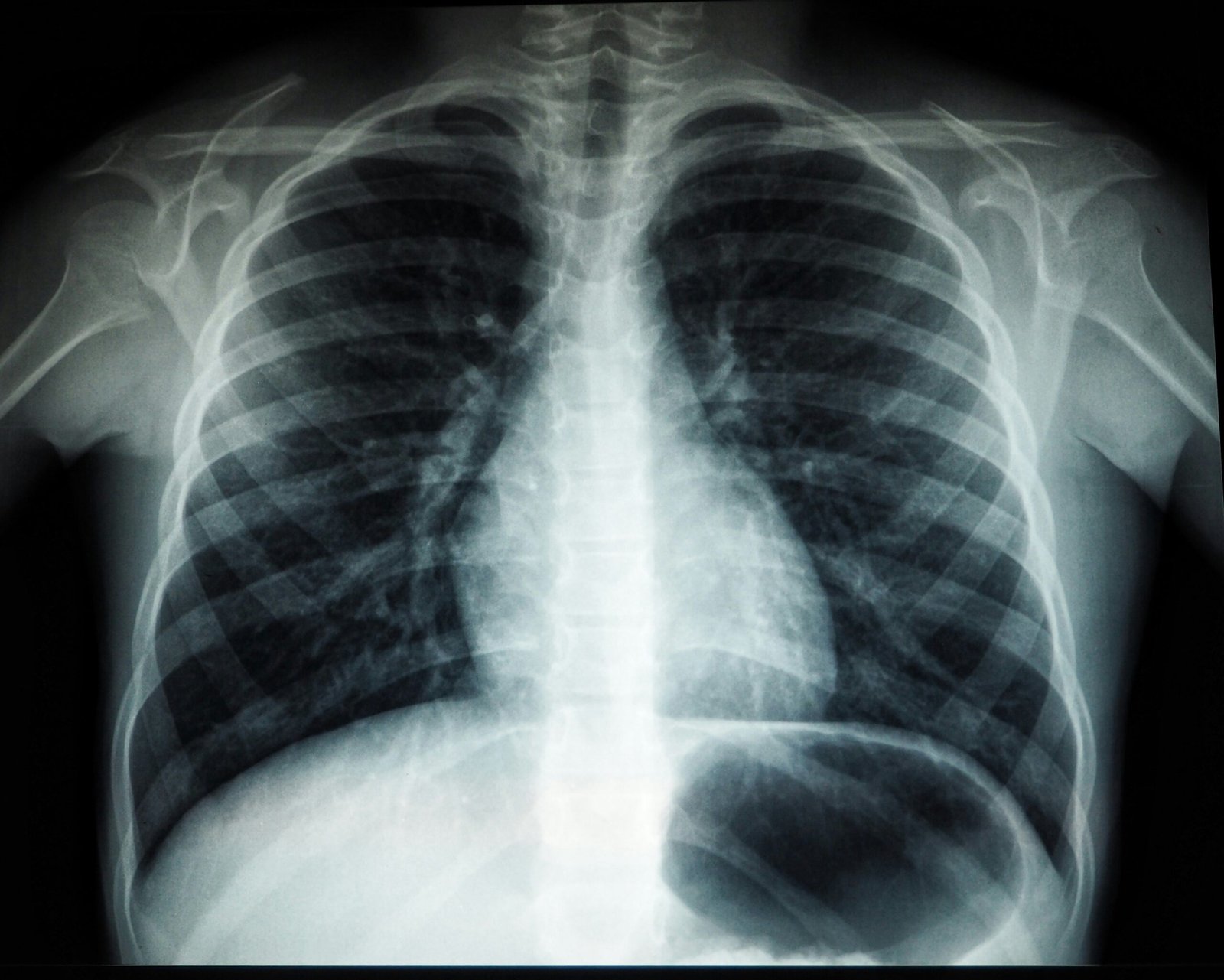
Passive detection depends on a person recognising symptoms and reaching a health facility. Active case finding takes screening closer to people who may otherwise be missed. Chest X-ray can identify abnormalities that warrant further investigation; molecular tests can detect TB and, depending on the assay, provide information on drug resistance. A screening result is not automatically a confirmed diagnosis, and an X-ray alone does not establish TB.
The reported 14.97 lakh asymptomatic detections underline why symptom-only approaches can leave a gap. The figure should be interpreted in the context of the programme’s screening definitions and confirmation pathways: people without symptoms may still have disease detected during systematic screening.
Rapid molecular diagnostics
Molecular diagnostic platforms shorten the route from suspicion to confirmation and can help identify resistance to selected medicines. Their public-health value depends on more than installing machines: sample transport, trained staff, quality assurance, timely reporting and linkage to treatment are equally important. A test that does not reach the patient or clinician promptly cannot deliver its full benefit.
Patient support and nutrition
TB treatment can extend over months, and patients may face wage loss, travel costs and nutritional stress. Ni-kshay Poshan Yojana provides nutritional support to eligible TB patients, while Ni-kshay Mitra encourages individuals and organisations to support people affected by TB. These initiatives address the social conditions that can undermine adherence; they do not replace prescribed medical treatment.
Community participation
PIB describes Panchayati Raj Institutions, urban local bodies, civil-society groups, private healthcare providers, corporate partners and community leaders as participants in screening and patient support. The JOSH Teams initiative is intended to mobilise youth at block and ward levels, with Class-I officers and NCC cadets and MY Bharat volunteers supporting outreach. The design is an example of Jan Bhagidari—public participation in a government programme—rather than a purely hospital-based intervention.
5. The figures candidates should remember
- 38%: decline in estimated TB mortality in India between 2015 and 2025, as reported by PIB from WHO’s 2026 report.
- 28 per lakh to 18 per lakh: reported mortality rate change across 2015–2025.
- 94%: treatment success among drug-susceptible TB patients.
- 25 crore+: people covered by TB Mukt Bharat Abhiyaan screening/outreach.
- 11 crore+: chest X-rays and 3 crore+ molecular tests conducted, according to the release.
- 48.64 lakh: cases detected through intensified screening; 14.97 lakh of these were described as asymptomatic.
- 96%: TB programme funding requirements reportedly met through domestic resources.
Keep the unit and denominator with every number. “18 per lakh” is a rate, not 18 lakh cases. “94% treatment success” applies to the stated drug-susceptible TB treatment cohort, not necessarily every TB category.
6. What remains difficult?
Progress is not a reason to ignore persistent constraints. Drug-resistant TB requires specialised regimens and reliable resistance testing. Migrant workers and people in informal settlements may face interrupted continuity of care. Stigma can delay testing or disclosure. Private-sector notification and consistent treatment records remain important for a complete picture. The prevalence survey’s technical review also illustrates that estimates are refined as better evidence becomes available.
For a balanced answer, mention both programme gains and unfinished work. Avoid claiming “India is TB-free” or that a single campaign caused the entire mortality decline. A defensible formulation is that intensified diagnosis, treatment support and community participation are among the interventions associated with the reported progress.
7. Exam relevance
UPSC/State PCS: health as a public good; SDG 3 (Good Health and Well-being); social determinants of health; Centre–State implementation; community participation; health technology; public-health surveillance; nutrition and vulnerable groups.
Railways, SSC and other objective exams: NTEP, WHO, ICMR–NIRT, Ni-kshay Poshan Yojana, Ni-kshay Mitra, JOSH Teams, molecular diagnostics and the difference between incidence, prevalence and mortality.
Interview angle: “What should India prioritise after achieving a 38% decline in TB mortality?” A strong response would combine early detection, drug-resistance management, patient-centred adherence support, nutrition, private-sector coordination, data quality and stigma reduction—not simply call for more screening.
8. Static GK connection
- WHO: specialised agency of the United Nations concerned with international public health; headquarters at Geneva, Switzerland.
- ICMR: India’s apex body for biomedical research; NIRT is based in Chennai.
- SDG 3: Ensure healthy lives and promote well-being for all at all ages.
- TB: infectious disease caused by bacteria in the Mycobacterium tuberculosis complex; pulmonary TB is the most common form and can spread through the air.
- Public-health terms: incidence counts new cases over a period; prevalence counts existing cases at a point/period; mortality measures deaths; treatment success is a programme outcome.
9. Possible MCQ areas
- Which programme is India’s national framework for TB control and elimination? (NTEP)
- Which organisation publishes the Global Tuberculosis Report? (WHO)
- What does a molecular TB test primarily help with? (Rapid detection/confirmation and selected resistance information)
- Which initiative provides nutritional support to TB patients? (Ni-kshay Poshan Yojana)
- Which SDG covers health and well-being? (SDG 3)
- Is mortality the same as incidence? (No)
- Which Indian institute conducted the 2025 national TB prevalence survey cited in the release? (ICMR–NIRT)
10. Official source and further reading
PIB / Ministry of Health: India Makes Major Strides Towards TB Elimination, 12 November 2026
WHO Global Tuberculosis Reports
National TB Elimination Programme
Related articles on DailyGKUpdate
- Current Affairs Hub – daily exam revision
- UPSC & State PSC Preparation Hub
- Competitive Exams Preparation Hub
Editorial note: Figures above are attributed to the PIB summary of the WHO report. For research, answer writing or clinical decisions, consult the original WHO report and official programme documents.


One thought on “India TB Elimination Progress 2026: 38% Mortality Decline, 94% Treatment Success Explained”
Comments are closed.