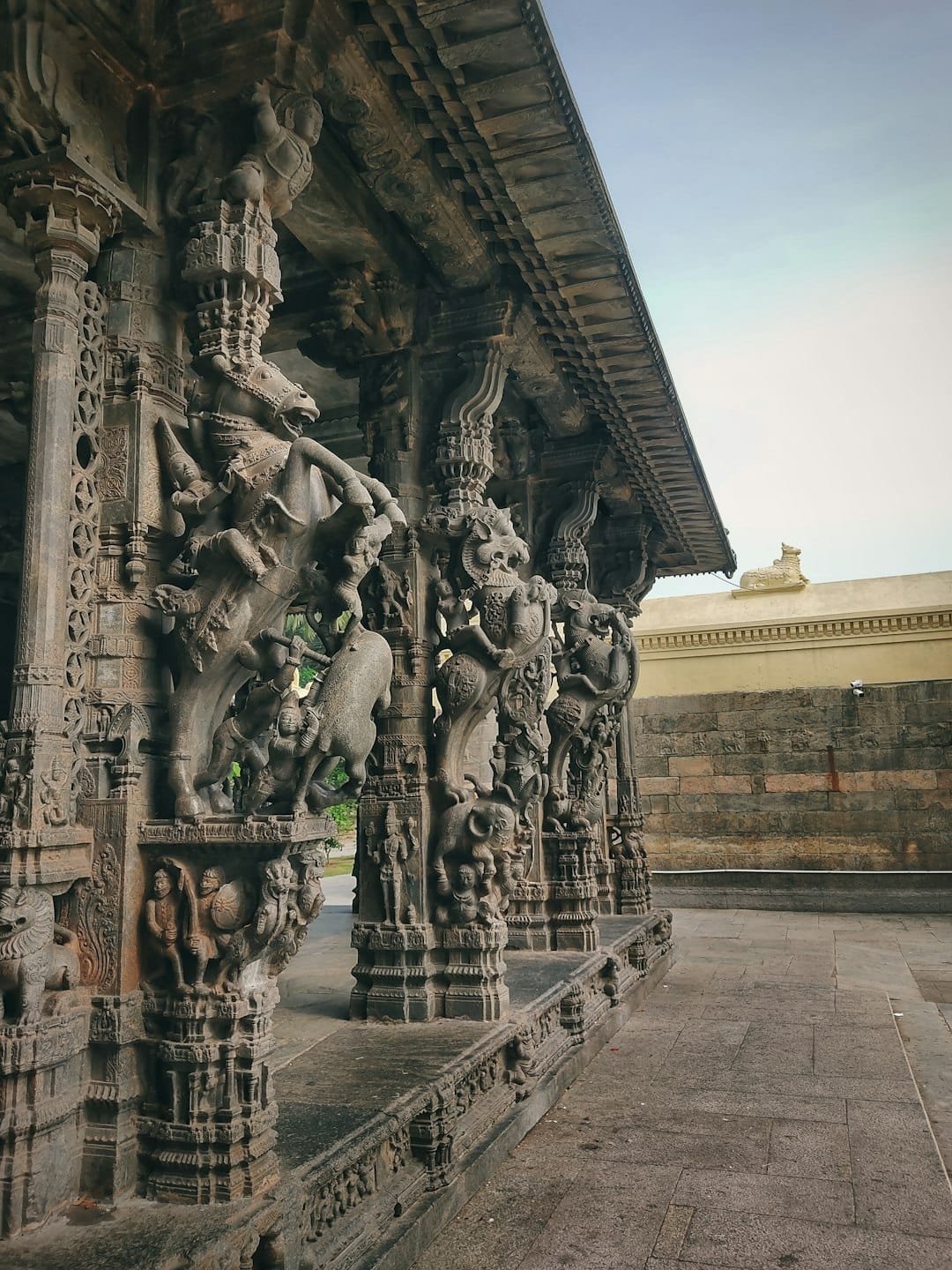
Chapter 7 – The Sangam Age
Introduction
Sangam refers to a body of literary work, primarily poems in the ancient region of Tamil Nadu by college/assemblies of poets. For related History for SSC CGL study material, see the dedicated history section. So far, the collection has been found to contain 2381 poems, written by 473 poets, of which some 102 are anonymous. The period of 2nd Century BC to 3rd Century BC within which these literary works was accomplished is known as the Sangam Age. These assemblies were held by royal patronage. Legend claims that three Sangams existed for 9990 years and they were attended by 8,598 poets and that they had 197 Pandya Kings as patrons. But these numbers are considered to be excessively exaggerating.
The word Sangam is derived from “Sangha” which appears to be Indo-Aryan in its origin, coming from the Buddhist or Jain term of “Sangha” which means an assembly of monks although the term Sangam was never used within the literature itself. Sage Agastya was the founder of the first Sangam whose main centre was at Thenmadurai in South Madurai. Sangam literature and texts are roughly divided into two categories: narrative and didactic. They happen to be one of the most significant sources of constructing the history of Southern India.
Learning Objectives
- Kingdoms of the Sangam Period
- Sangam Society
- Sangam Literature
Kingdoms of the Sangam Period
According to the Sangam literature, Cholas, Cheras and Pandyas, together known as Tamilakkham or the Tamil realm, were the most important and well-regarded South Indian kingdoms. This chapter is part of the SSC CGL study material on Daily GK Update. These kingdoms are mentioned in the Ashokan inscriptions which state that the Chera, Chola and Pandya kingdoms existed to the south of the Mauryan Empire. The Hathigumpha inscription by Kharavela in Udayagiri of Kalinga also mentions about these Tamil kingdoms.
About Sangam Period Kingdoms
| Kingdom | Region Covered | Capital | Emblem | Greatest ruler | Famous port | Important Facts |
|---|---|---|---|---|---|---|
| Cheras | Modern districts of Malabar, Cochin and Northern Travancore | Vanji or Karur | Bow | Senguttuvan, also known as the Red or Good Chera | Muziris, Tondi, Bandar | Senguttuvan is known for attacking the North and crossing the Ganga river. |
| Cholas | Kaveri delta and neighbouring areas of modern Tanjore and Trichinopoly | Uraiyur (Trichirapalli), later Puhar (Kaveri Pattanam) | Tiger | King Karikala, also known as “the man with a charred leg” | Puhar | According to ancient literature, Karikala is said to have defeated the Pandaya and Chera kingdoms’ rulers and extended his empire over Ceylon. |
| Pandyas | Modern districts of Madurai, Ramnad, Tirunelveli and Travancore’s southern part | Madurai | Carp or Fish | Nedunchezhian | Korkai, Saliyur |
|
Kingdoms – Quick Reference
| Kingdom | Capital | Greatest ruler | Famous port | Important Facts |
|---|---|---|---|---|
| Cheras | Vanji or Karur | Senguttuvan, also known as the Red or Good Chera | Muzris, Tondi, Bandar | Senguttuvan is known for attacking the North and crossing the Ganga river. |
| Cholas | Uraiyur (Trichirapalli), later Puhar (Kaveri Pattanam) | King Karikala, also known as “the man with a charred leg” | Puhar | According to ancient literature, Karikala is said to have defeated the Pandaya and Chera kingdoms’ rulers and extended his empire over Ceylon. |
| Pandyas | Madurai | Nedunchezhian | Korkai, Saliyur |
|
Sangam Society
Sangam society was divided into two categories; Brahmanas and Non-Brahmanas. Vellangai was the name for agricultural communities and Illangai was for craftsmen. The untouchables were referred to as Parriyas.
It is believed that women of this period were subject to terrible social conditions as the Devdasi system which was widespread.
Fig: Sangam Society’s Division
↓
| Brahmanas | Non-Brahmanas |
Sangam Literature
Sangam literature and texts are roughly divided into two categories: narrative and didactic.
The narrative texts of Sangam literature are Melkanakku. These are eighteen in number with eight anthologies and ten idylls. These texts talk about war, cattle raids and primarily about heroes and their veneration.
The didactic texts of Sangam literature are called Kilkanakku and were composed around 1st century BC. These texts prescribe a code of conduct for kings as well as various social groups and occupations.
In the detailed account, Sangam literature is further described as follows: the narrative texts are eighty in number with eight anthologies and ten idylls. The didactic texts of Sangam literature are called Kilkanakku. The texts glorify those who died fighting for the kin. They also talk about a lot about the state formations and their functioning in South India, including taxation system and judiciary. These are texts which are composed around 1st century BC prescribe a code of conduct for kings as well as various social groups and occupations. This is a practice also found in North India from 6th century AD. Besides Sangam texts, the region of Tamil Nadu produced many other texts.
Important Tamil Texts
| Name of the Text | Author | Related to |
|---|---|---|
| Tolkkappiyam | Tolkkappiar | Grammar and poetics |
| Tirukkural – Bible of Tamil Land | Tirikkural | Philosophy and wise maxims |
Important Tamil Epics
| Name of the Epic | Author | Description |
|---|---|---|
| Silappadhikaram (the story of the anklet) | Ilango Adigal | A love story wherein Kovalan—a dignitary falls for Kaveripattanam’s courtesan Madhavi, over his nobly wedded wife Kannagi. |
| Manimekalai | Sattan of Madurai-A grain merchant | Adventures of Madhavi and Kovalan’s daughter, religious in nature |
| Silapp-Brahmanasadhigaram | Ilango Vedigal | About Brahmanism |
| Manimegalai | Sattanar | About Buddhism |
| Sivaga Sindamani | Tiruttakkatevar | About Jainism |
It appears that the authors of the twin epics knew each other and were contemporaries to Chera King Senguttuvan, who ruled in second century AD. The art of writing was known to Tamils before the Christian era. More than 75 inscriptions have been found in caves in the region. They are in Brahmi script. They date back to second or first century BC when Buddhist and Jaina missionaries appeared in this region. These specimens provide the earliest form of Tamil which was mixed with Prakrit words.
Additional Important Tamil Texts and Facts
- Tolkkappiyam by Tolkappiar related to Grammar and poetics.
- Tirukkural – Bible of Tamil Land by Tirikkural related to Philosophy and wise maxims.
- Besides these texts, Tamil literature also comprised of several epics. The most famous of these were the twin Tamil epics – Silappaddikaram and Manimekalai, written around 6th century AD.
- The art of writing was known to Tamils before the Christian era and the inscriptions found are in Brahmi script.
Summary
In this chapter, you learned that:
Sangam
- It refers to a body of literary work, primarily poems in the ancient region of Tamil Nadu by college/assemblies of poets. So far, the collection has been found to contain 2381 poems, written by 473 poets, of which some 102 are anonymous.
- The period of 2nd Century BC to 3rd Century BC, within which these literary works were accomplished is known as the Sangam Age.
- The word Sangam is derived from ‘Sangha’ which appears to be Indo-Aryan in its origin, coming from the Buddhist or Jain term of ‘Sangha’.
- Sage Agastya was the founder of the first Sangam whose main centre was at Thenmadurai in South Madurai.
Kingdoms of the Sangam Period
- According to the Sangam literature, Cholas, Cheras and Pandyas, together known as Tamilakkham or the Tamil realm, were the most important and well-regarded South Indian kingdoms. The Ashokan inscriptions and Hathigumpha inscription by Kharavela in Udayagiri of Kalinga also mentions about these Tamil kingdoms.

One thought on “Chapter-7: The Sangam Age | Ancient Indian History Notes for SSC CGL”
Comments are closed.