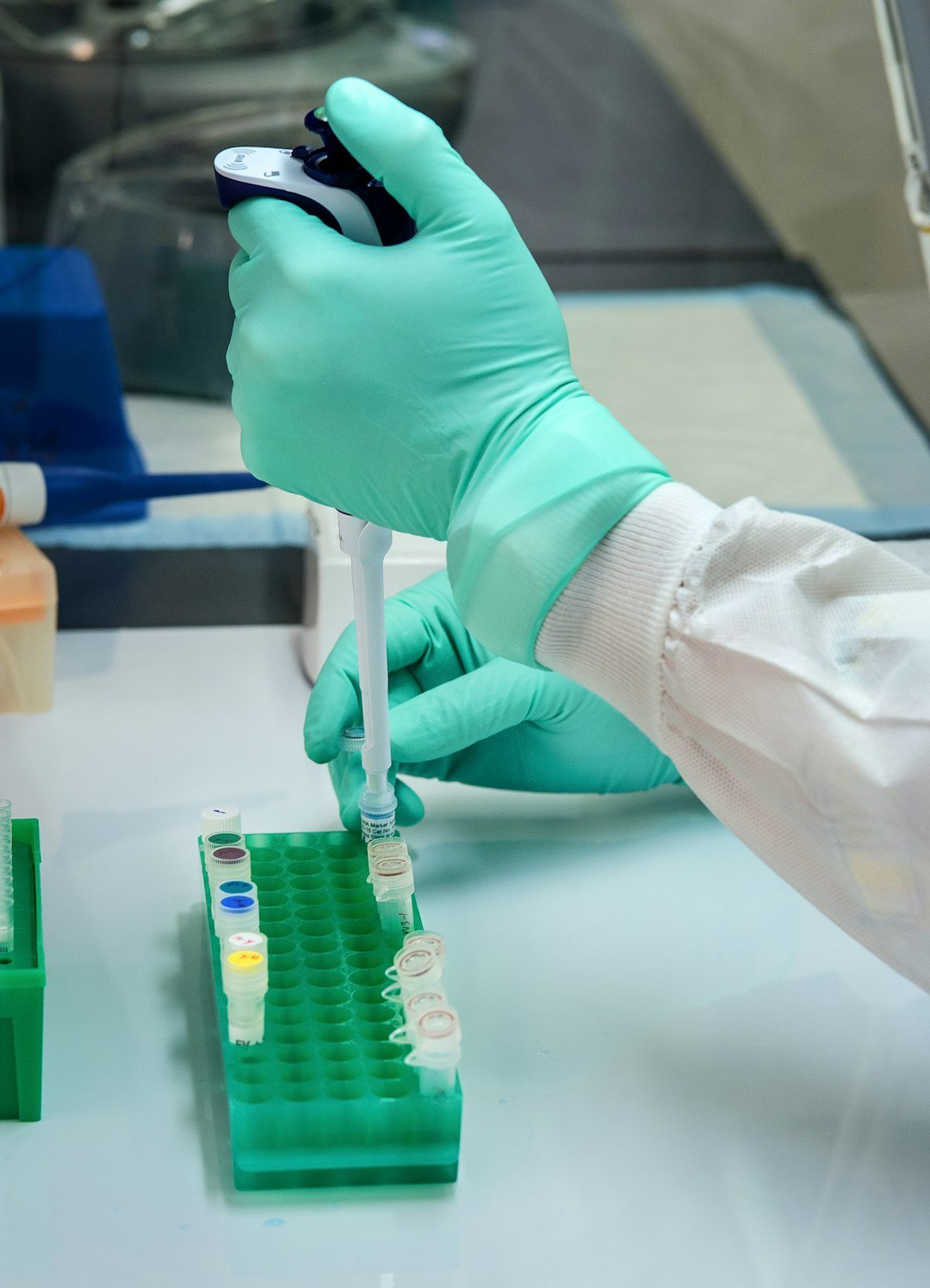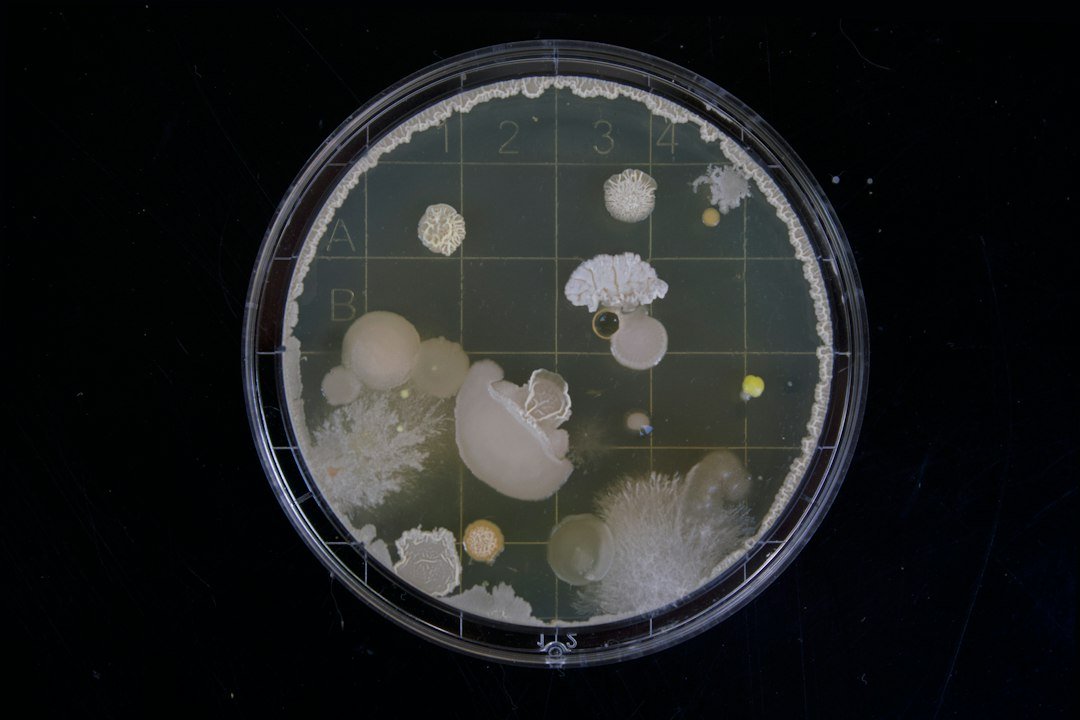
World Antimicrobial Resistance (AMR) Awareness Week is observed from 18 to 24 November. The 2026 theme is “One Health, One Action: Prevent AMR Now.” The campaign highlights the need for coordinated action across human health, animal health, agriculture and the environment.
What is antimicrobial resistance?
Antimicrobial resistance occurs when bacteria, viruses, fungi or parasites evolve and no longer respond adequately to medicines designed to treat the infections they cause. As a result, infections can become harder to treat, treatment may fail and the risk of disease spread, severe illness and death can rise. Antibiotic resistance is one part of the wider AMR problem.
Why does AMR develop?
Resistance is a natural evolutionary process, but inappropriate and excessive use of antimicrobials accelerates it. Contributing factors include unnecessary prescriptions, failure to follow professional advice, use of antibiotics for viral infections, poor infection prevention, inadequate sanitation, and inappropriate antimicrobial use in animal production. Resistant organisms and resistance genes can spread through people, animals, food, water and the environment.
One Health approach
One Health recognises that the health of people, animals, plants and ecosystems is connected. Tackling AMR therefore requires coordination among clinicians, veterinarians, pharmacists, public-health agencies, food producers, environmental authorities and researchers. Measures include surveillance, infection prevention, vaccination, sanitation, responsible prescribing and public awareness.
India’s policy response
India’s National Action Plan on Antimicrobial Resistance (NAP-AMR) provides a multisectoral framework. The second national action plan, NAP-AMR 2.0, covers 2025–2029. The National Centre for Disease Control (NCDC) has an important coordinating role in national AMR activities, including surveillance and implementation support.
What can be done?
- Use antibiotics only when prescribed by an authorised healthcare professional.
- Do not demand antibiotics for viral illnesses such as common colds.
- Follow the prescribed dose and duration; do not self-adjust treatment.
- Strengthen hand hygiene, vaccination, infection prevention and sanitation.
- Improve laboratory capacity and surveillance of resistant pathogens.
- Promote responsible antimicrobial use in veterinary and agricultural settings.
Exam relevance
For UPSC and State PSC, connect AMR with public health, One Health, zoonotic disease, environmental contamination and global health governance. For science examinations, understand the difference between bacteria and viruses, antibiotics and antivirals, and resistance and tolerance.
Practice questions
- AMR Awareness Week is observed on which dates? 18–24 November.
- Which approach links human, animal and environmental health? One Health.
- Which Indian institution has a key national role in AMR coordination? National Centre for Disease Control (NCDC).
Official sources
Read the World Health Organization, National Centre for Disease Control and Ministry of Health and Family Welfare for current technical guidance and national policy material. This article is for educational awareness and does not replace medical advice.