Published: 21 November 2026 | Reading time: approximately 8–9 minutes
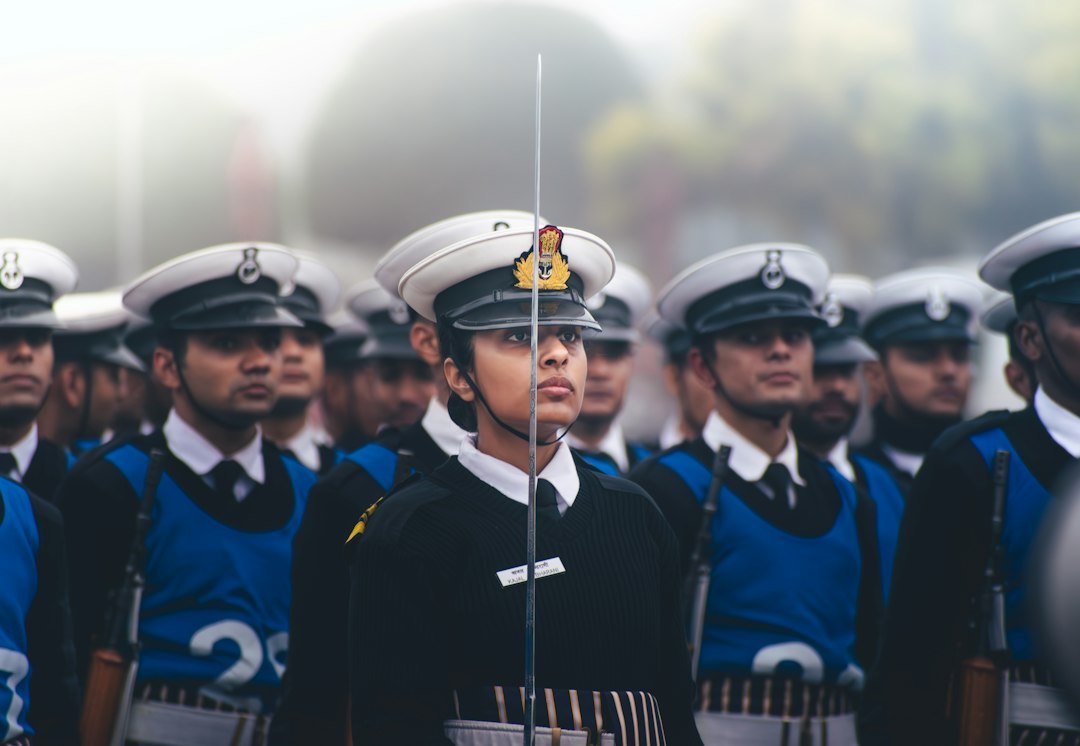
President of India Smt Droupadi Murmu will review the Indian Naval Academy’s Autumn Term 2026 Passing Out Parade (POP) on 28 November at Ezhimala, Kerala. The Ministry of Defence announced on 21 November that more than 400 officer trainees from different courses will take part in the ceremony at Pereira Parade Ground. The President will attend as Chief Guest and Reviewing Officer.
What happened?
The announcement concerns the forthcoming Passing Out Parade of the Autumn Term 2026 at the Indian Naval Academy (INA), Ezhimala. The parade is scheduled for 28 November 2026. More than 400 officer trainees from various courses are expected to participate after completing their training. The trainees include Indian candidates as well as officer trainees from friendly foreign countries.
The ceremony marks the transition from structured training to commissioned service. Medals and trophies will be presented to trainees who have distinguished themselves in different aspects of training. One of the central ceremonial moments is the traditional Shipping of Stripes, which signifies the conferment of commissioned officer ranks.
Why the Passing Out Parade matters
A naval officer’s responsibilities extend beyond the ability to operate a ship or understand weapons and sensors. Officers must lead sailors, make decisions under pressure, interpret operational information, maintain discipline and coordinate with other units. The training period is designed to develop professional competence alongside leadership, physical endurance and character.
The parade is therefore more than a ceremonial event. It is the public culmination of a structured process through which trainees are prepared to assume responsibility for personnel, platforms and missions. The Ministry’s announcement identifies the Indian Navy’s core values as Duty, Honour and Courage. These values provide a useful framework for understanding the service ethos expected of commissioned officers.
The participation of trainees from friendly foreign countries also has a diplomatic dimension. Training together creates professional relationships, familiarity with procedures and personal networks that can support maritime cooperation later. It should not be confused with a joint naval exercise: the event is an academy passing-out ceremony, while the foreign trainees’ presence reflects India’s training links with partner countries.
Indian Naval Academy, Ezhimala: location and history
The Indian Naval Academy is located at Ezhimala in Kannur district, Kerala, on India’s Malabar coast. It is the Indian Navy’s premier initial officer-training establishment. The permanent academy at Ezhimala was inaugurated on 8 January 2009. The site was selected to provide a dedicated environment for academic instruction, physical training, seamanship and professional naval development.
The institution’s history predates its present campus. The Naval Academy was first established at a temporary location in Kochi in 1969. As the training requirement expanded, it moved to INS Mandovi in Goa in 1986. It later shifted to its permanent home at Ezhimala in Kerala in 2009. This three-stage institutional history is frequently useful in defence-awareness and general-knowledge preparation.
The academy’s training environment combines academic and practical instruction. Officer trainees need to understand navigation, maritime operations, engineering and technology, leadership, law, communication and the broader strategic environment in which the Navy operates. The training is intended to prepare officers for a technically demanding service in which ships, submarines, aircraft, shore establishments and joint commands must work together.
What does a Passing Out Parade signify?
A Passing Out Parade is a formal military ceremony marking the completion of a defined training programme. In the Indian Naval Academy context, it marks the completion of initial officer training by the participating course. It is the point at which trainees move towards commissioned responsibilities in the Navy or the relevant service pathway.
The Ministry has specifically highlighted the Shipping of Stripes. Stripes are part of the rank insignia worn by naval officers. The ceremonial act symbolises the conferment of commissioned officer ranks and the responsibilities attached to them. It is not merely a change in uniform: it represents the transition from trainee status to an officer entrusted with leadership and service.
Medals and trophies presented during the parade recognise performance in different areas of training. These awards can reflect professional, academic, physical or overall excellence, depending on the specific award criteria. The PIB announcement does not provide the names of the awardees in advance, so candidates should not rely on unofficial lists circulated before the ceremony.
Role of the President of India in the ceremony
The President of India is the Supreme Commander of the Indian Armed Forces. The President’s presence as Chief Guest and Reviewing Officer gives the ceremony national and constitutional significance. A reviewing officer formally takes the salute and witnesses the parade, recognising the training institution and the newly passing-out course.
India’s current President is Smt Droupadi Murmu. In questions on the constitutional position, candidates should distinguish the President’s role as Supreme Commander from the operational command and administration exercised through the constitutional government and the Ministry of Defence. The President does not personally conduct day-to-day military operations.
Why maritime officer training is strategically important
India has a long coastline and a central position in the Indian Ocean Region. Maritime security is connected with trade routes, energy supplies, port infrastructure, fisheries, disaster response and the safety of sea lanes. Naval officers are trained to operate in this environment, where missions can range from conventional maritime security to humanitarian assistance and disaster relief.
The Navy also works with other services and government agencies. A maritime operation may involve coordination with the Coast Guard, civil authorities, friendly navies and international organisations. Professional training therefore needs to develop judgement, communication, teamwork and the ability to understand a changing operational picture.
Training foreign officer cadets alongside Indian trainees can strengthen interoperability and mutual understanding. It is a form of long-term maritime engagement: relationships developed in classrooms, simulators and training exercises can support communication between officers when they later serve in their respective navies.
Indian Naval Academy and the President’s Colour
The Indian Naval Academy was awarded the President’s Colour on 20 November 2019. The award recognised the academy’s service in shaping naval leadership over five decades. The institution’s history across Kochi, Goa and Ezhimala helps explain why the 2019 recognition referred to a long institutional contribution rather than only the years spent at the present campus.
The President’s Colour is among the highest honours that can be bestowed on a military unit or formation in recognition of exceptional service. The Indian Navy was the first of the three armed services to receive the President’s Colour, on 27 May 1951. This is a separate historical fact from the INA’s award in 2019 and should not be mixed up in examination answers.
Key facts for competitive examinations
- Event: Passing Out Parade, Autumn Term 2026.
- Date: 28 November 2026.
- Venue: Pereira Parade Ground, Indian Naval Academy, Ezhimala.
- Reviewing Officer: President of India Smt Droupadi Murmu.
- Expected participants: More than 400 officer trainees.
- State: Kerala.
- District: Kannur.
- Permanent academy inaugurated: 8 January 2009.
- Earlier locations: Kochi (1969) and INS Mandovi, Goa (1986).
- President’s Colour to INA: 20 November 2019.
- Naval ethos highlighted: Duty, Honour and Courage.
Exam relevance
UPSC and State PSC: The President’s constitutional position as Supreme Commander, civil-military relations, maritime security and India’s Indian Ocean interests. Defence examinations: Indian Naval Academy location, history, role, officer training and the meaning of Shipping of Stripes. SSC and Railways: Ezhimala–Kerala–Kannur mapping, dates and the President’s Colour. Teaching and general awareness: Military ceremonies, rank insignia and the distinction between officer training and operational exercises.
Possible MCQ areas
- Where is the Indian Naval Academy located?
- In which district and State is Ezhimala situated?
- When was the permanent academy at Ezhimala inaugurated?
- Which two earlier locations feature in the Naval Academy’s history?
- Who will review the Autumn Term 2026 Passing Out Parade?
- How many officer trainees are expected to participate?
- What does Shipping of Stripes signify?
- When did the Indian Naval Academy receive the President’s Colour?
- Which is the constitutional position of the President in relation to the Armed Forces?
- What are the three values highlighted in the Ministry of Defence announcement?
Official sources
- Ministry of Defence / PIB: President to review INA Passing Out Parade, 21 November 2026.
- PIB archive: Inauguration of Indian Naval Academy at Ezhimala, 8 January 2009.
- PIB: President’s Colour awarded to Indian Naval Academy, 20 November 2019.
Related reading
Continue with IAF Sovereign Sustainment 2026, SCO Civilisational Dialogue Forum, Daily Current Affairs 20 November and the Competitive Exams Preparation Hub.