Updated: 21 October 2026 | Science, Economy and Consumer Affairs
India is scheduled to host the 61st meeting of the International Committee of Legal Metrology (CIML) in New Delhi from 26 to 28 October 2026. The government announcement says more than 100 delegates are expected.
What is legal metrology?
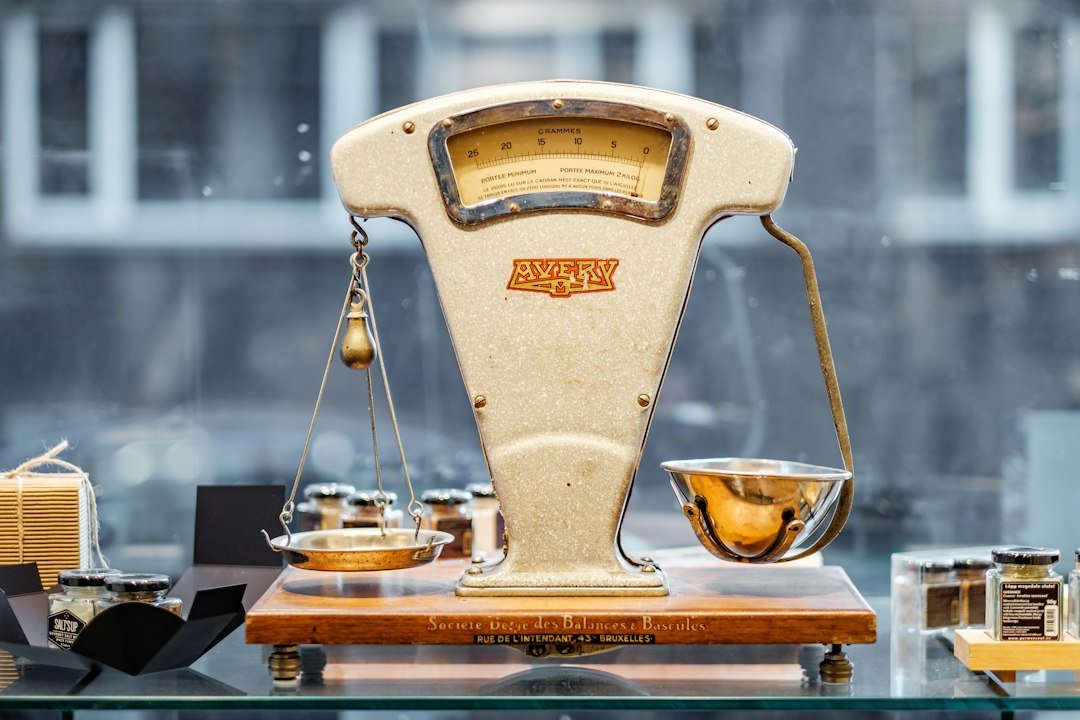
Legal metrology deals with measurements and instruments subject to legal requirements. Examples include retail weighing scales, fuel-dispensing equipment and quantity declarations on packaged commodities. Reliable measurement protects consumers and supports fair trade by making transactions more dependable.
When a package declares net quantity or a transaction depends on a scale or meter, buyers and sellers need a common measurement basis. Verification, inspection, labelling and instrument-accuracy rules help make that basis enforceable. Legal metrology connects technical standards with consumer protection and regulatory compliance.
OIML and CIML: static GK
- OIML: International Organization of Legal Metrology.
- Established: 1955.
- CIML: International Committee of Legal Metrology.
- Meeting: New Delhi, 26–28 October 2026.
- Expected participation: more than 100 delegates, according to the government announcement.
OIML supports international harmonisation through model recommendations, technical guidance and cooperation among member countries. Harmonisation can reduce unnecessary differences between national systems, while each country remains responsible for its own legal framework.
Legal metrology versus scientific metrology
Scientific metrology focuses on measurement science, standards and traceability. Legal metrology applies legally regulated requirements to measurements and instruments, especially where measurement affects transactions, health, safety or public confidence. Industrial metrology commonly concerns measurement in manufacturing and quality control.
A retail weighing scale is a clear legal-metrology example; a national laboratory maintaining a high-accuracy standard is closer to scientific metrology; a factory checking components against engineering tolerances is an industrial-metrology example. The disciplines can overlap.
How measurement standards affect everyday transactions
Consider a packaged food item, a fuel purchase or goods sold by weight. In each case, the customer relies on a declared quantity or a measuring instrument. If the instrument is inaccurate or a quantity declaration is misleading, the buyer may not receive what the transaction promises. Legal-metrology controls help create a common basis for checking such claims. They do not remove the need for consumer awareness, transparent records, inspections and a functioning complaint process.
For businesses, reliable measurement is also a compliance and quality issue. A manufacturer or retailer should identify which rules apply to its product, instrument and transaction, maintain required records, and use authorised verification procedures where applicable. The precise requirement depends on the relevant Indian law and rules; a general explainer cannot replace the applicable notification or legal text.
What to remember for competitive examinations
- Concept: legal metrology applies legally enforceable requirements to measurements and measuring instruments.
- Institution: OIML is the International Organization of Legal Metrology; CIML is its International Committee of Legal Metrology.
- Application: consumer transactions, packaged commodities and measuring instruments are useful examples.
- Analytical point: international technical cooperation can support harmonisation, but domestic implementation and enforcement remain important.
When revising this topic, avoid treating OIML recommendations as automatically identical to Indian law. For exam answers, distinguish an international organisation’s technical role from the legal powers of Indian authorities and cite the applicable official source when a question asks about a specific rule.
Why the meeting matters
Goods and instruments cross borders, and differing measurement requirements can create compliance costs and uncertainty. Shared technical approaches can support comparability, confidence in measurement results and clearer expectations for regulators and manufacturers. Consumers benefit from reliable quantity measurements; businesses benefit from predictable requirements; regulators benefit from credible technical references. These outcomes depend on implementation, capable laboratories, trained personnel and effective inspection—not merely on holding a conference.
India’s consumer-protection connection
In India, legal metrology connects with the regulation of weights and measures and packaged commodities. Consumers should be able to understand declared quantities and compare products fairly. Businesses must follow the applicable rules for the instruments, products and transactions they handle. Specific obligations depend on the relevant law, rules, commodity and instrument, so this overview does not replace the official regulation.
Exam relevance
- Expand OIML and CIML.
- In which year was OIML established? 1955.
- Where and when is the 61st CIML meeting scheduled? New Delhi, 26–28 October 2026.
- Distinguish scientific, legal and industrial metrology with examples.
- Explain how reliable measurement supports consumer protection and fair trade.
Official source
Read the PIB announcement on India hosting the 61st CIML meeting. Image credit: Piret Ilver, Unsplash.