Updated: 21 October 2026 | Environment and Current Affairs
The government’s Green Diwali campaign for 2026 runs from 20 October to 8 November. It is linked to Mission LiFE (Lifestyle for Environment), which promotes individual and collective choices that can reduce environmental pressure.
What is Green Diwali?
Green Diwali encourages festival practices with lower environmental impact. No single action solves air pollution; the approach combines waste reduction, responsible purchasing, energy conservation and attention to local pollution-control requirements. Campaign dates are an awareness period, not the date of Diwali itself or the duration of a statutory restriction. Check current local rules on fireworks and pollution controls.
Mission LiFE: the policy connection
Mission LiFE frames environmental action around everyday behaviour. Environmental outcomes depend on regulation and technology, but also on consumption, waste, energy use and community participation. Reusable products and waste segregation can reduce avoidable waste; efficient energy use can lower demand. These measures complement rather than replace industrial emission controls, transport policy, municipal systems and enforcement.
How NCAP fits in
The National Clean Air Programme (NCAP) is India’s broader air-quality policy framework. The government’s Green Diwali communication refers to 130 cities under NCAP. This is a programme coverage reference—not evidence that all cities have identical air quality or outcomes. Pollution varies by location, season, weather, local emissions and monitoring conditions.
City-level measures can include air-quality monitoring, road-dust management, controls on waste and biomass burning, transport measures, construction-dust management and public awareness. Festival messaging is one component of a sustained response.
Practical actions
- Reduce waste: choose reusable decorations, avoid excess packaging and separate recyclable from wet waste.
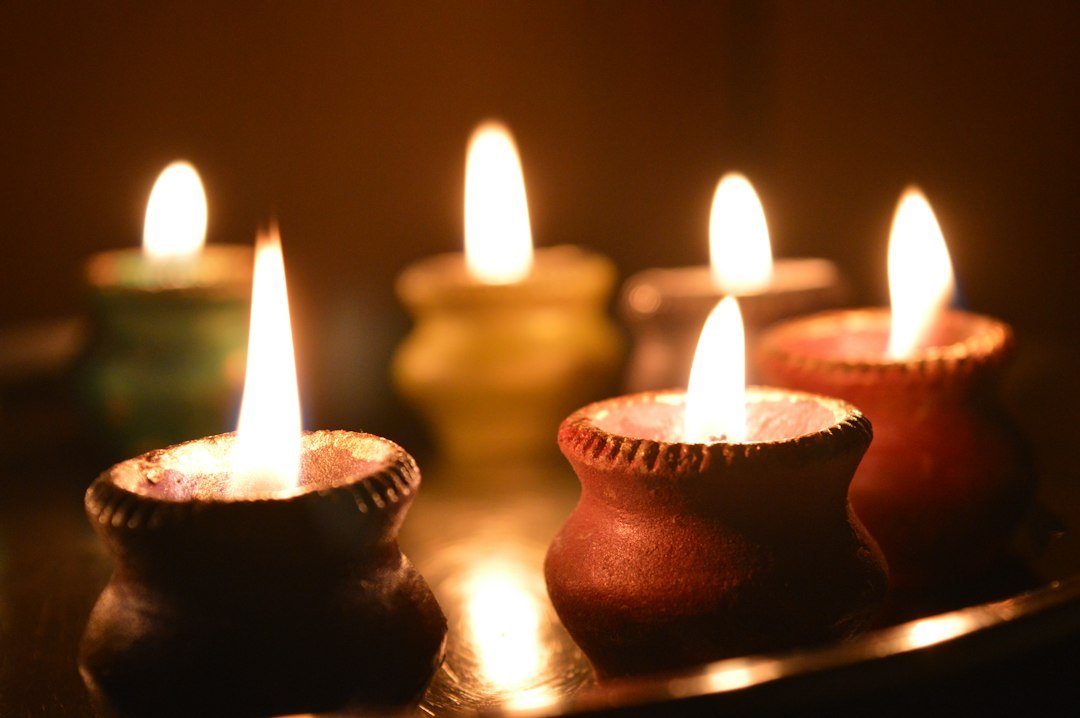
- Choose local products thoughtfully: where feasible, consider locally made decorations and traditional clay lamps from responsible suppliers.
- Conserve electricity: use efficient lighting and switch off unnecessary appliances.
- Protect air quality: follow local fireworks rules and never burn plastic or mixed waste.
- Be considerate: consider children, older people, people with respiratory sensitivity and animals when planning noisy celebrations.
- Dispose responsibly: use local collection and segregation systems.
These actions are most effective when supported by public infrastructure and clear local guidance; they are not a substitute for citywide pollution controls.
Exam relevance
UPSC and State PSC candidates can connect this campaign to environmental governance, citizen participation, sustainable consumption and air pollution. SSC, banking and railway examinations may test dates, acronyms and programme objectives.
| Term | Remember |
|---|---|
| Green Diwali campaign | 20 October–8 November 2026 |
| Mission LiFE | Lifestyle for Environment; behavioural and community action |
| NCAP | National Clean Air Programme |
| NCAP city reference | 130 cities cited in the campaign communication |
Possible exam questions
- What is Mission LiFE’s behavioural objective?
- What is the reported Green Diwali campaign period in 2026?
- What does NCAP stand for?
- Why should campaign coverage figures not be confused with completed environmental outcomes?
Official source
Read the PIB release on the Green Diwali campaign. Image credit: Abhishek Ravi, Unsplash.