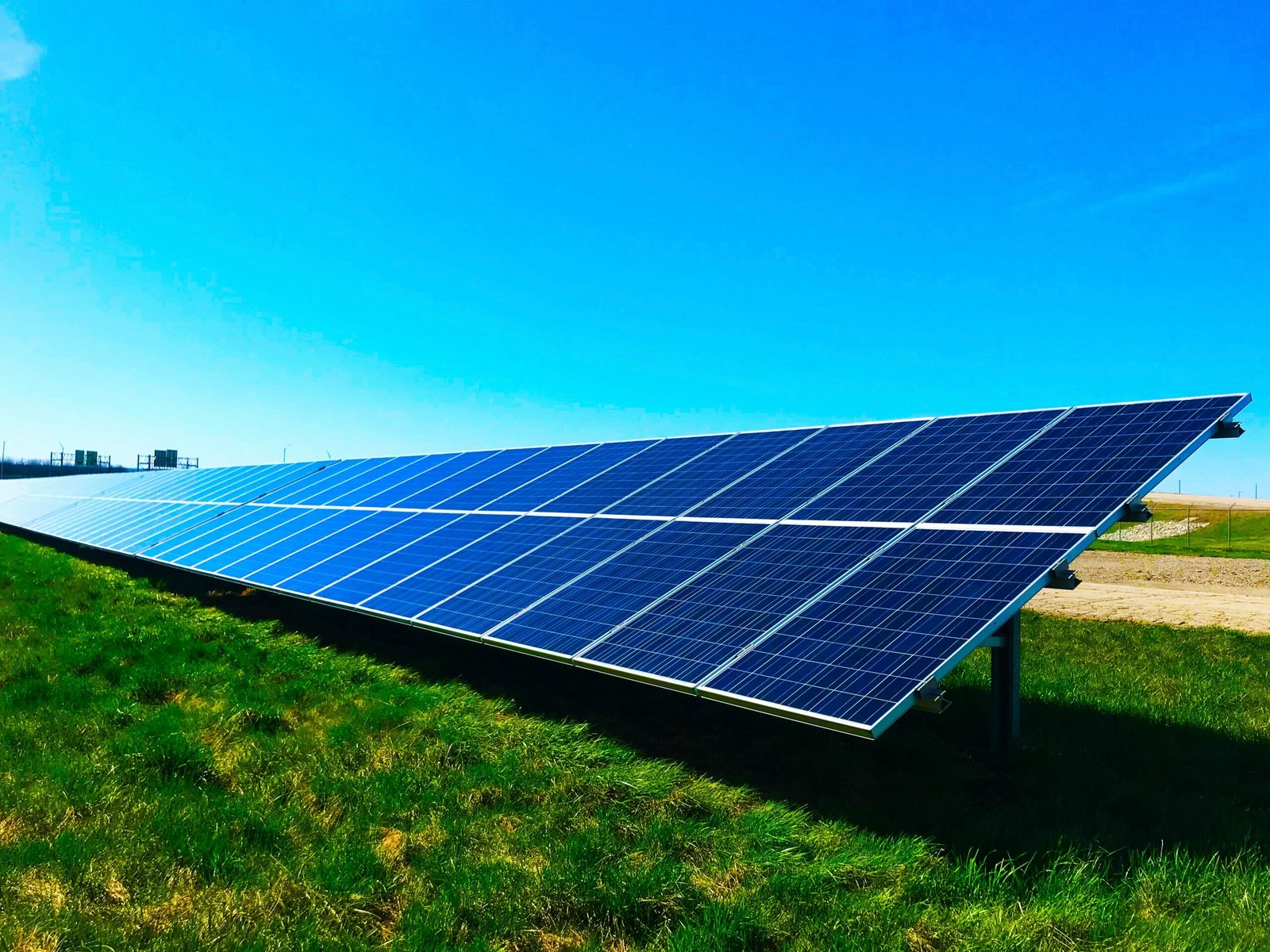
India’s energy transition has reached a stage where building renewable power capacity is only half the challenge. The electricity system must also store energy and release it when demand rises or solar and wind output falls. The Union Cabinet’s approval on 4 November 2026 of a ₹14,500-crore Viability Gap Funding (VGF) scheme for 92 gigawatt-hours (GWh) of grid-scale energy storage is designed to address that gap.
This is not a single battery project, nor does 92 GWh mean 92 GW of generation capacity. It is a support framework intended to make storage projects financially viable and bring new capacity into the system during FY 2026–27 to FY 2030–31. The announcement is relevant for UPSC, State PSCs, engineering examinations, railway and defence recruitment, and general-awareness papers.
What happened?
On 4 November 2026, the Union Cabinet chaired by Prime Minister Narendra Modi approved the VGF Scheme for Development of Grid-Scale Energy Storage Systems. The Ministry of Power places total financial support at ₹14,500 crore and targets 92 GWh of storage capacity yet to be commissioned.
- 60 GWh: Hydro Pumped Storage Projects (PSP)
- 30 GWh: Battery Energy Storage Systems (BESS)
- 2 GWh: emerging or alternative storage technologies
The government estimates associated investment at approximately ₹97,600 crore. VGF is intended to bridge a viability gap—not to pay the entire project cost. The scheme also includes a domestic-content requirement for BESS, linking energy infrastructure support with local manufacturing.
Why the announcement matters
Solar power is abundant during daylight hours, while electricity demand can peak after sunset. Wind generation also varies with weather. Without flexibility, a grid may face surplus generation at one time and shortage at another. Storage shifts electricity across time: it absorbs energy when supply is plentiful and releases it when the system needs it.
For India, this is a system-planning issue rather than simply a technology purchase. Storage can support renewable integration, improve grid stability, reduce pressure during peak demand and help provide dependable electricity. The official target cited in the Cabinet release is 411 GWh of grid-scale storage requirement by 2031–32; the scheme aims to support 92 GWh, about 22.4% of that stated requirement. This is a comparison of energy quantities, not a claim that the scheme alone meets the full requirement.
Capacity must still be developed, commissioned and operated effectively. Transmission, site selection, financing, environmental clearances, technology performance and electricity-market arrangements remain implementation questions.
Understanding the three storage pathways
Battery Energy Storage Systems (BESS)
BESS stores electricity electrochemically. Lithium-ion batteries are widely used, although other chemistries are possible. A grid-scale system includes cells, modules, racks, power-conversion equipment, thermal management, controls and safety systems. Batteries are useful where rapid response, modular deployment and flexible siting matter. Their economics depend on battery cost, cycle life, charging opportunities, round-trip efficiency, degradation and revenue from grid services.
Pumped Storage Projects (PSP)
Pumped storage uses two reservoirs at different elevations. When electricity is available or inexpensive, water is pumped from the lower reservoir to the upper one. When power is required, water flows downhill through turbines to generate electricity. It converts electrical energy into gravitational potential energy and back again.
PSPs can provide large-scale storage and long-duration flexibility. They require suitable geography, civil works, water and land planning, and lengthy construction periods. Their long operating life can be an advantage, but project-specific environmental and social assessments remain essential.
Emerging storage technologies
The 2 GWh allocation for alternative technologies leaves room for solutions beyond conventional batteries and pumped hydro. Depending on maturity and project design, storage may involve other electrochemical systems, thermal storage or mechanical approaches. The Cabinet announcement identifies an allocation; it does not establish which individual technologies or projects will receive support.
What is Viability Gap Funding?
Viability Gap Funding is public financial assistance intended to make an economically or socially useful infrastructure project viable when expected revenues are insufficient to attract investment on acceptable terms. It is not synonymous with a full grant for all capital expenditure, nor a subsidy paid directly to every electricity consumer.
Here, support is meant to improve the financial viability of grid-scale storage projects. Exact funding conditions, selection processes and project-level disbursement provisions should be read from official scheme guidelines and implementing-agency documents as they become available. Aspirants should distinguish Cabinet approval and headline figures from operational rules notified later.
Domestic manufacturing and energy security
The mandatory domestic-content requirement for BESS is an industrial-policy dimension. Storage deployment creates demand for batteries, power electronics, control systems, engineering, construction, operation and maintenance. Domestic manufacturing can deepen supply chains and technical capabilities, while reducing exposure to import disruptions.
“Domestic content” should not automatically be interpreted as complete self-sufficiency in every mineral, component or process. Battery supply chains are international and involve materials such as lithium, nickel, cobalt and graphite, depending on chemistry. Actual impact will depend on eligibility definitions, compliance mechanisms, domestic capacity and quality standards.
This connects with the Cabinet’s separate 4 November approval of a ₹2,814-crore capital-support scheme for critical-mineral processing. It targets lithium and nickel processing and expects cobalt recovery as a by-product of nickel production. Together, the decisions illustrate an effort to strengthen downstream storage infrastructure and selected upstream material-processing capabilities.
Key facts at a glance
| Parameter | Official figure |
|---|---|
| Cabinet approval | 4 November 2026 |
| Financial support | ₹14,500 crore |
| Scheme period | FY 2026–27 to FY 2030–31 |
| Storage target | 92 GWh (yet to be commissioned) |
| Pumped storage | 60 GWh |
| Battery storage | 30 GWh |
| Alternative technologies | 2 GWh |
| Estimated project investment | ₹97,600 crore |
| Storage requirement cited for 2031–32 | 411 GWh |
| BESS provision | Mandatory domestic-content requirement |
Exam relevance
UPSC and State PSCs: connect storage with renewable integration, energy security, climate policy, infrastructure financing, industrial policy and the Ministry of Power. In mains answers, distinguish generation capacity from storage capacity and discuss benefits alongside implementation constraints.
SSC, Railways, Defence and other recruitment examinations: remember approval date, outlay, storage target, technology-wise allocation, scheme period and ministry. Questions may test BESS/PSP, VGF or the unit GWh.
Engineering examinations: revise battery operation, pumped-hydro principles, energy versus power, round-trip efficiency, grid frequency, peak shaving and renewable intermittency.
Static GK and concept connection
- Power vs energy: GW measures power (rate of transfer); GWh measures energy (quantity stored/delivered over time).
- Renewables: solar and wind are variable sources; storage improves flexibility but does not generate primary energy.
- Pumped hydro: stores energy by moving water between reservoirs at different elevations.
- Grid stability: balancing supply and demand is continuous; storage complements transmission, demand response and flexible generation.
- VGF: financing instrument to bridge project viability gap, distinct from universal consumer subsidy.
- Institution: Ministry of Power is the relevant ministry for this grid-storage scheme.
Possible MCQ areas
- Which ministry announced the scheme? Ministry of Power.
- Total VGF support? ₹14,500 crore.
- Storage target? 92 GWh.
- Largest technology allocation? Pumped Storage Projects, 60 GWh.
- BESS allocation? 30 GWh.
- Alternative technology allocation? 2 GWh.
- GWh measures? Energy, not power.
- VGF purpose? Bridge infrastructure project’s viability gap.
- Domestic provision for BESS? Mandatory domestic-content requirement.
- Storage requirement cited for 2031–32? 411 GWh.
What to watch next
Follow detailed scheme guidelines, implementing agencies, project selection and tender announcements, domestic-content specifications, commissioning timelines and revisions. The Cabinet release is the primary announcement; operational documents determine how support is allocated and monitored.
Official source
Related reading
- Aditya-L1 VELC and space-weather observations
- India S&T Scoreboard 2026: research and patent indicators
- Daily Current Affairs – 4 November 2026
Editorial note: figures are from the Cabinet/PIB release dated 4 November 2026. Check later official guidelines for implementation details.


One thought on “India’s ₹14,500-Crore Grid Storage Scheme: 92 GWh, BESS, Pumped Hydro and VGF Explained”
Comments are closed.