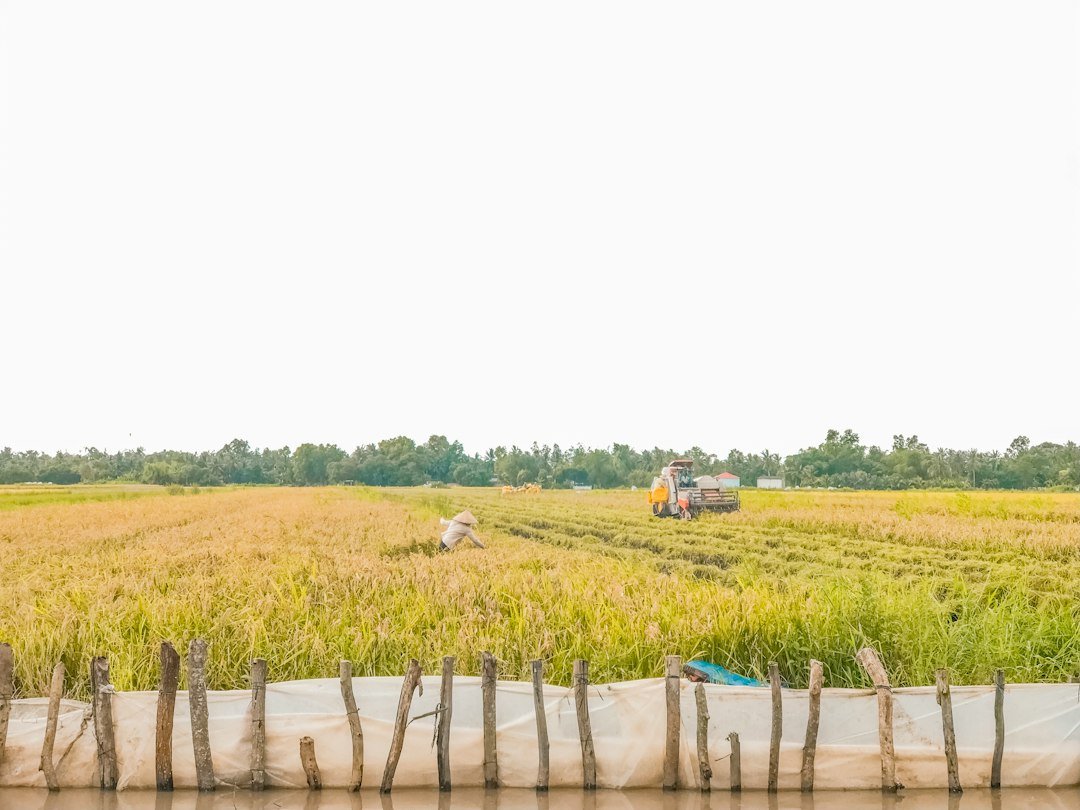
India’s final foodgrain production for 2025–26 has reached 3,785.38 lakh tonnes, the highest level reported in the latest crop-estimate release. On 26 November 2026, Union Minister for Agriculture and Farmers’ Welfare and Rural Development Shri Shivraj Singh Chouhan released the final production estimates for major crops for 2025–26 and the first advance estimates for the 2026–27 kharif season. The two sets of figures answer different questions: one is the final estimate for the completed 2025–26 agricultural year, while the other is an early projection for kharif crops in the current 2026–27 year.
The release is important for UPSC, State PSC, SSC, banking, railways and agriculture-related examinations because it combines crop-wise production data, food security, climate risk, digital agricultural statistics, import dependence and India’s position in global agricultural production. The key is to remember the distinction between final estimates and first advance estimates rather than treating every number as a completed annual total.
What was announced on 26 November 2026?
The Ministry of Agriculture and Farmers Welfare reported final foodgrain production of 3,785.38 lakh tonnes for 2025–26, compared with 3,577.32 lakh tonnes in 2024–25. The increase was 208.06 lakh tonnes, or approximately 5.8 per cent. In international units, the latest final estimate is about 378.54 million tonnes. Rice, wheat, maize, pulses and oilseeds all feature prominently in the release.
Separately, the first advance estimate puts kharif foodgrain production in 2026–27 at 1,671.43 lakh tonnes. The Ministry says this is 97.67 lakh tonnes above the average kharif production of the previous five years. It is not the estimate for the entire 2026–27 agricultural year and should not be directly compared with the full-year 2025–26 foodgrain total.
Final crop production estimates for 2025–26
| Crop group / crop | Final estimate 2025–26 | Important comparison |
|---|---|---|
| Total foodgrains | 3,785.38 lakh tonnes | Up 208.06 lakh tonnes from 2024–25 |
| Rice | 1,551.54 lakh tonnes | Up 49.70 lakh tonnes |
| Wheat | 1,220.64 lakh tonnes | Up 41.19 lakh tonnes |
| Maize | 550.25 lakh tonnes | Up from 434.09 lakh tonnes |
| Nutri-cereals and coarse cereals | 740.80 lakh tonnes | Millets accounted for 172.09 lakh tonnes |
| Total pulses | 272.40 lakh tonnes | Up 15.57 lakh tonnes |
| Total oilseeds | 432.55 lakh tonnes | New record in the release |
Rice production rose from 1,501.84 lakh tonnes in 2024–25 to 1,551.54 lakh tonnes in 2025–26. Wheat increased from 1,179.45 lakh tonnes to 1,220.64 lakh tonnes. The maize estimate climbed to 550.25 lakh tonnes from 434.09 lakh tonnes. These figures are useful for questions that ask candidates to identify the largest crop groups or compare year-on-year changes.
Pulses, millets and oilseeds: the diversification signal
Total pulse production reached 272.40 lakh tonnes, compared with 256.83 lakh tonnes in the previous year. Within pulses, gram accounted for 125.13 lakh tonnes, tur or arhar for 35.99 lakh tonnes and moong for a record 43.96 lakh tonnes. The release also placed total nutri-cereals and coarse cereals at 740.80 lakh tonnes, including 172.09 lakh tonnes of Shri Anna, the government’s term for millets.
Oilseed production reached a record 432.55 lakh tonnes. Groundnut production was 131.71 lakh tonnes, while rapeseed and mustard reached 137.66 lakh tonnes. Soybean production stood at 126.36 lakh tonnes. These numbers matter because India’s demand for pulses and edible oils remains a major part of its agricultural trade and food-security discussion. The Minister said that, with substantial rice and wheat stocks, the policy emphasis is increasingly on crop diversification and domestic self-reliance in pulses and oilseeds through the National Pulses Mission and National Oilseeds Mission.
Commercial crops and unit conversions to remember
The final estimates put sugarcane production at 5,037.29 lakh tonnes. Cotton production was reported as 280.06 lakh bales, with each bale weighing 170 kg. Jute and mesta production was 94.28 lakh bales, with each bale weighing 180 kg. Cotton and jute figures are reported in bales, not lakh tonnes; candidates should not mix the units when comparing crops.
The Ministry also stated that India ranked first globally in the production of rice, pulses, jute, millets and spices. It ranked second after China in wheat, cotton, groundnut, fruits and vegetables, and second after Brazil in sugarcane. The release reported a 5 per cent increase in Indian rice exports. These are official statements contained in the 26 November release and should be quoted with that context rather than treated as a substitute for a separate global database series.
Kharif 2026–27: first advance estimates
The first advance estimate for kharif foodgrain production is 1,671.43 lakh tonnes. The crop-wise picture is more detailed:
| Kharif crop group / crop | First advance estimate 2026–27 |
|---|---|
| Rice | 1,219.05 lakh tonnes |
| Nutri-cereals and coarse cereals | 381.05 lakh tonnes |
| — Maize | 260.64 lakh tonnes |
| — Bajra | 89.43 lakh tonnes |
| — Jowar | 14.79 lakh tonnes |
| — Ragi | 12.48 lakh tonnes |
| Total pulses | 71.32 lakh tonnes |
| — Tur | 31.22 lakh tonnes |
| — Moong | 16.59 lakh tonnes |
| — Urad | 14.49 lakh tonnes |
| Total oilseeds | 239.47 lakh tonnes |
| — Groundnut | 111.68 lakh tonnes |
| — Soybean | 102.44 lakh tonnes |
| Sugarcane | 4,543.39 lakh tonnes |
| Cotton | 248.66 lakh bales (170 kg each) |
| Jute and mesta | 97.06 lakh bales (180 kg each) |
The Ministry attributed sowing pressure to the return of El Niño, a delayed monsoon during June, rainfall reported as 35–40 per cent below normal, low soil moisture and drought-like conditions in Maharashtra, Karnataka, Telangana and Andhra Pradesh. Crops specifically mentioned as affected included paddy, maize, tur, soybean and cotton. The kharif foodgrain estimate is nevertheless 97.67 lakh tonnes above the previous five-year average. That comparison is useful, but it does not mean output is higher than the previous kharif season.
Why the figures matter for policy and the economy
Foodgrain output is one input into the assessment of food availability, procurement requirements, buffer stocks, public distribution, trade and inflation risks. Higher production can strengthen domestic availability, but it does not automatically guarantee lower retail prices: procurement, storage, transport, market arrivals, imports, exports and the distribution of production across regions also matter.
For pulses and edible oils, domestic production is particularly important because the country has significant demand and seeks to reduce import dependence. The focus on the National Pulses Mission and National Oilseeds Mission therefore connects crop estimates with self-reliance, farm diversification, seed quality, irrigation, extension services and climate-resilient varieties. For banking examinations, the data also connects agriculture with priority-sector lending, rural credit, crop insurance and the wider rural economy.
How are crop estimates prepared?
The Ministry said the estimates draw on information from States and Union Territories, remote sensing, the weekly Crop Weather Watch Group, the Digital Crop Survey and the Digital General Crop Estimation Survey. Consultations with industry representatives are also used. The data undergoes a three-tier process of validation and triangulation.
The distinction between estimate stages is essential. The 2025–26 figures released on 26 November are described as final estimates. The 2026–27 kharif figures are first advance estimates and remain provisional. The Ministry said they will be revised in subsequent estimates after actual yield information becomes available from crop-cutting experiments conducted at harvest. A first advance estimate is therefore an early statistical assessment, not a final harvest measurement.
Static GK: kharif, rabi and zaid crops
- Kharif: generally sown with the southwest monsoon and harvested from September onwards; common examples include rice, maize, bajra, jowar, cotton, soybean and groundnut.
- Rabi: generally sown after the monsoon during the cooler months and harvested in spring; wheat, gram, mustard and peas are common examples.
- Zaid: a short summer season between rabi and kharif; watermelon, cucumber and some short-duration pulses are typical examples.
These are broad seasonal classifications. Crop calendars differ by region, irrigation and local climate, so an exam question may specify a State or crop rather than rely on a single national sowing month.
Exam relevance and possible MCQ areas
- Final foodgrain production in 2025–26: 3,785.38 lakh tonnes; increase over 2024–25: 208.06 lakh tonnes.
- Rice and wheat output: 1,551.54 and 1,220.64 lakh tonnes, respectively.
- Record oilseed output: 432.55 lakh tonnes; record groundnut and rapeseed-mustard figures.
- First advance kharif 2026–27 foodgrain estimate: 1,671.43 lakh tonnes; 97.67 lakh tonnes above the previous five-year average.
- Global production rankings stated in the release and the difference between final and advance estimates.
- Crop-cutting experiments, remote sensing, Digital Crop Survey and the Crop Weather Watch Group.
- Weight of a cotton bale (170 kg) and a jute/mesta bale (180 kg).
For related agriculture coverage, read DailyGKUpdate’s explainers on record horticulture production in 2025–26, India’s agricultural exports and National Milk Day and India’s dairy economy. For daily revision, visit the Current Affairs Hub and Competitive Exams Preparation Hub.
Official source
Primary source: Press Information Bureau, Ministry of Agriculture & Farmers Welfare — release dated 26 November 2026. The release contains the final 2025–26 crop estimates, the first advance kharif 2026–27 estimates and the stated methodology. For agricultural statistics and related releases, consult the Economics, Statistics & Evaluation Division, Department of Agriculture and Farmers Welfare.
Editorial note: This article distinguishes final 2025–26 estimates from the first advance kharif 2026–27 estimates. Kharif figures remain provisional and may change after crop-cutting experiments and later revisions.