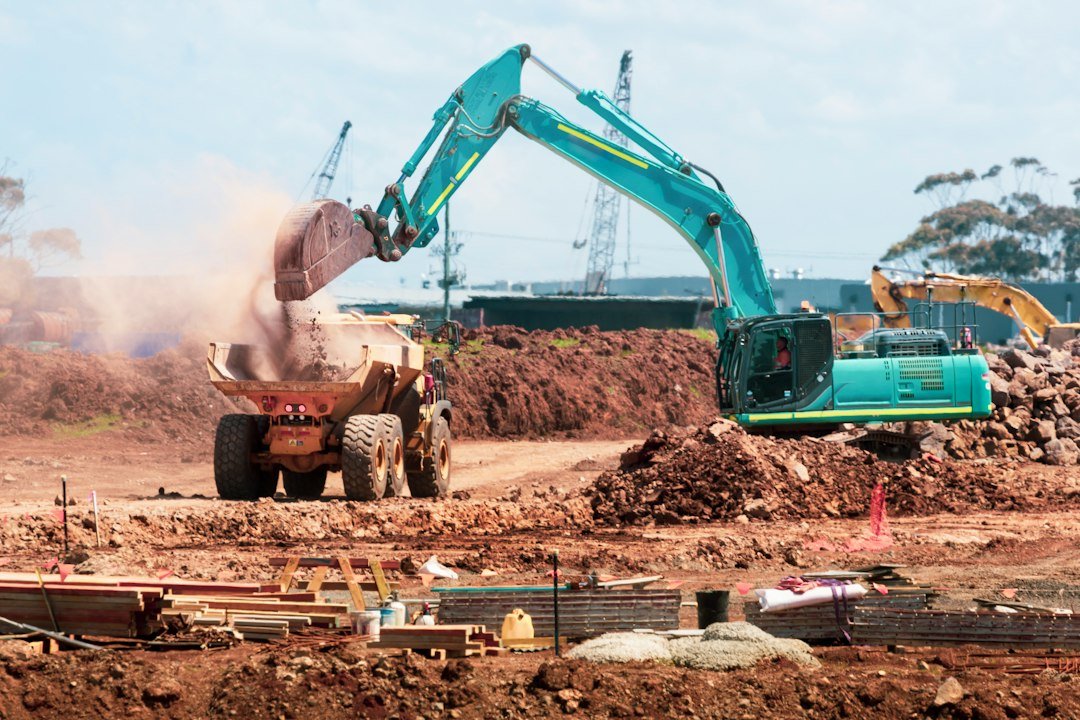
India’s construction and infrastructure equipment industry is large, but a substantial part of its high-value machinery and components still comes from overseas suppliers. On 25 November 2026, the Union Cabinet approved the Scheme for Enhancement of Construction and Infrastructure Equipment (CIE) Manufacturing Ecosystem with an outlay of ₹11,000 crore. The eight-year programme is designed to deepen domestic manufacturing, strengthen component supply chains and improve India’s ability to compete in advanced equipment markets.
The decision matters beyond the construction sector. Excavators, cranes, tunnel-boring machines, off-highway trucks and heavy material-handling systems are essential to highways, railways, ports, airports, mining, urban infrastructure and energy projects. A reliable domestic supply base can reduce exposure to import delays and make infrastructure delivery more resilient.
CIE Manufacturing Scheme 2026: Key details at a glance
| Particular | Verified detail |
|---|---|
| Approval | Union Cabinet, 25 November 2026 |
| Scheme | Enhancement of Construction and Infrastructure Equipment Manufacturing Ecosystem |
| Total outlay | ₹11,000 crore |
| Duration | Eight years: FY 2026–27 to FY 2033–34 |
| Equipment coverage | Seven categories of equipment that are fully or largely imported |
| Component coverage | Five categories: engines, transmissions, hydraulic systems, undercarriages and drive systems |
| Testing infrastructure | ₹375 crore grant to the Automotive Research Association of India (ARAI) for a dedicated testing facility |
| Expected outcomes | About ₹21,000 crore investment and ₹22,500 crore import substitution over the scheme period |
Why the construction-equipment sector needs a manufacturing push
Construction and infrastructure equipment, often shortened to CIE, includes the machines used to excavate, lift, move, drill, compact and process material at large projects. The category includes earthmoving equipment, road-construction machinery, cranes, tunnel-boring machines, piling rigs, drilling machines and specialised mining trucks. Their components are equally important: engines, transmissions, hydraulic systems, undercarriages and drive systems determine reliability, operating cost and machine life.
The Cabinet briefing describes India as the world’s third-largest CIE industry. The market was valued at about ₹97,500 crore in FY 2024–25 and the Prime Minister’s Office projects it to more than double to around ₹2,28,100 crore by FY 2029–30. Yet roughly 45 per cent of the market depends on imports. The policy problem is therefore not simply the number of machines assembled in India. It is the domestic availability of advanced equipment, critical components, testing capacity and the supplier ecosystem behind them.
In a Lok Sabha reply answered on 28 July 2026, the Ministry of Heavy Industries said that, according to the Indian Construction Equipment Manufacturers’ Association (ICEMA), the industry’s import dependence was about ₹34,500 crore in FY 2024–25. Fully built equipment accounted for ₹4,250 crore, while nearly ₹30,250 crore comprised imported components and aggregates used in domestic manufacturing. This split explains why the scheme targets both finished machines and critical components: dependence on overseas inputs can expose manufacturers to exchange-rate movements, shipping disruptions, long lead times and external technology bottlenecks. Read the Ministry’s Lok Sabha reply.
What the ₹11,000-crore scheme will support
1. Seven categories of equipment
The scheme targets seven equipment categories that are fully or largely imported. The Cabinet briefing identifies tunnel-boring machines, off-highway trucks, excavators, cranes, loaders, piling rigs and drilling machines. These are not niche products: they are used in underground transport, road and bridge construction, mines, ports, industrial projects and large public works.
2. Five critical component categories
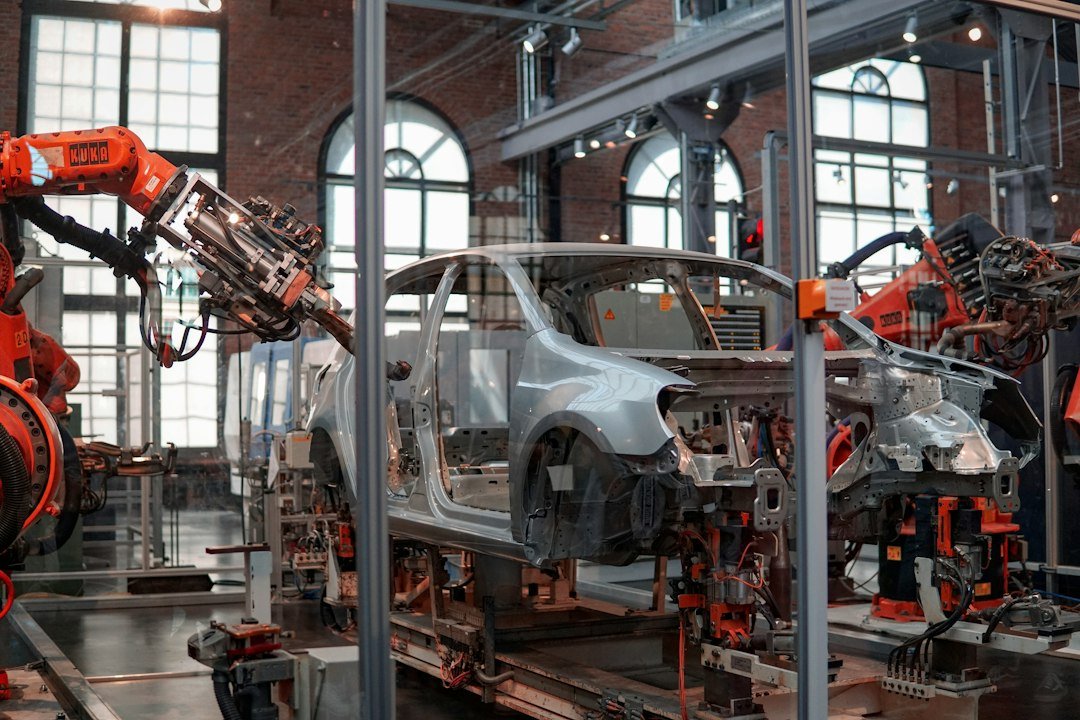
The second part focuses on engines, transmissions, hydraulic systems, undercarriages and drive systems. This component approach is important because local assembly alone does not create a resilient manufacturing base if the most technology-intensive parts continue to be imported. Building domestic suppliers can also create opportunities for precision engineering firms and smaller component manufacturers.
3. Graded, sales-linked incentives
The approved framework provides graded sales-linked incentives. The Cabinet briefing lists incentive rates of 13 to 10 per cent for equipment and 11 to 8 per cent for components. The design links support to production and sales rather than treating the outlay as an unconditional grant. It is intended to reward manufacturers that expand eligible domestic output and deepen local value addition.
4. A dedicated testing facility
The scheme includes a ₹375-crore grant to ARAI for a dedicated testing facility. Testing and certification matter because construction equipment operates under demanding loads, terrain, safety and environmental conditions. A domestic facility can help manufacturers validate machines and components in India rather than depending entirely on overseas testing infrastructure.
Duration, targets and expected impact
The scheme runs for eight financial years, from FY 2026–27 to FY 2033–34. The Cabinet briefing describes a two-year gestation period, followed by five years of incentive disbursement and a final settlement year. Over the scheme period, the Government expects the programme to attract about ₹21,000 crore in investment and generate around ₹22,500 crore of import substitution. The briefing also projects an almost four-fold increase in exports over five years.
These are targets and projections, not completed outcomes. Their achievement will depend on the detailed guidelines, eligible product specifications, investment decisions, supplier readiness, testing capacity and the ability of Indian manufacturers to meet global performance standards.
Why the scheme matters for infrastructure and the economy
First, domestic production can improve supply-chain resilience. Large projects can face cost and schedule pressure when specialised machines or spare parts are delayed. A stronger Indian supplier base can reduce some of those risks, although it cannot eliminate every imported input.
Second, component manufacturing can spread the benefits beyond large original-equipment manufacturers. Precision engineering, foundries, electronics, hydraulics, machining, testing and maintenance firms can participate in the supply chain. The scale of that opportunity will depend on the actual localisation achieved, not merely on the number of factories announced.
Third, the scheme connects industrial policy with infrastructure delivery. A competitive domestic equipment sector can support the construction of highways, rail corridors, ports, airports, mines and renewable-energy infrastructure. It can also improve export capability if Indian-made machines meet international quality and safety requirements.
Fourth, the testing-facility component addresses a less visible barrier to manufacturing: product validation. Without credible testing and certification, a machine may be assembled locally but struggle to enter demanding domestic or export markets.
What manufacturers should not assume yet
The Cabinet approval establishes the policy framework, but it should not be mistaken for an open application window. The detailed operational guidelines, eligible product lists, application process, documentation requirements and claim procedures must be checked in the Ministry of Heavy Industries’ formal scheme documents when issued. Manufacturers should not rely on unofficial summaries for eligibility or incentive calculations.
The scheme is also not a direct consumer subsidy, a recruitment notification or a general grant available to every construction business. Its incentives are aimed at eligible manufacturers and component producers under the approved framework.
Exam relevance: UPSC, State PSC, SSC and banking
- UPSC GS-III: industrial policy, manufacturing, import dependence, supply-chain resilience, infrastructure and technology capability.
- Economy: sales-linked incentives, domestic value addition, import substitution, capital investment and export competitiveness.
- Governance: role of the Ministry of Heavy Industries and the use of testing infrastructure to support industrial standards.
- State PSC and SSC: the scheme’s outlay, duration, equipment categories and ARAI’s role are suitable factual revision points.
Static-GK connections and possible MCQ areas
Remember the full form of CIE as Construction and Infrastructure Equipment. The nodal ministry is the Ministry of Heavy Industries. ARAI stands for the Automotive Research Association of India. The scheme period is FY 2026–27 to FY 2033–34. The two broad coverage groups are seven equipment categories and five component categories.
Possible question areas include the ₹11,000-crore outlay, eight-year duration, incentive bands for equipment and components, the ₹375-crore testing-facility grant, the five component groups and the projected import-substitution figure. Treat the investment and export figures as Government projections, not realised achievements.
Official sources and further reading
- Government of India Cabinet briefing, 25 November 2026 — scheme outlay, categories, incentive bands, testing facility and targets.
- Prime Minister’s Office: Cabinet approval of the CIE Manufacturing Ecosystem scheme.
- Ministry of Heavy Industries: Lok Sabha Unstarred Question No. 1525, answered 28 July 2026 — ICEMA-based import-dependence figures.
- Ministry of Heavy Industries — check for detailed operational guidelines and implementation updates.
For the broader set of 26 November developments, read Daily Current Affairs 26 November 2026 and visit the Current Affairs Hub.
2 thoughts on “₹11,000 Crore CIE Manufacturing Scheme 2026: Outlay, Incentives and Impact”
Comments are closed.