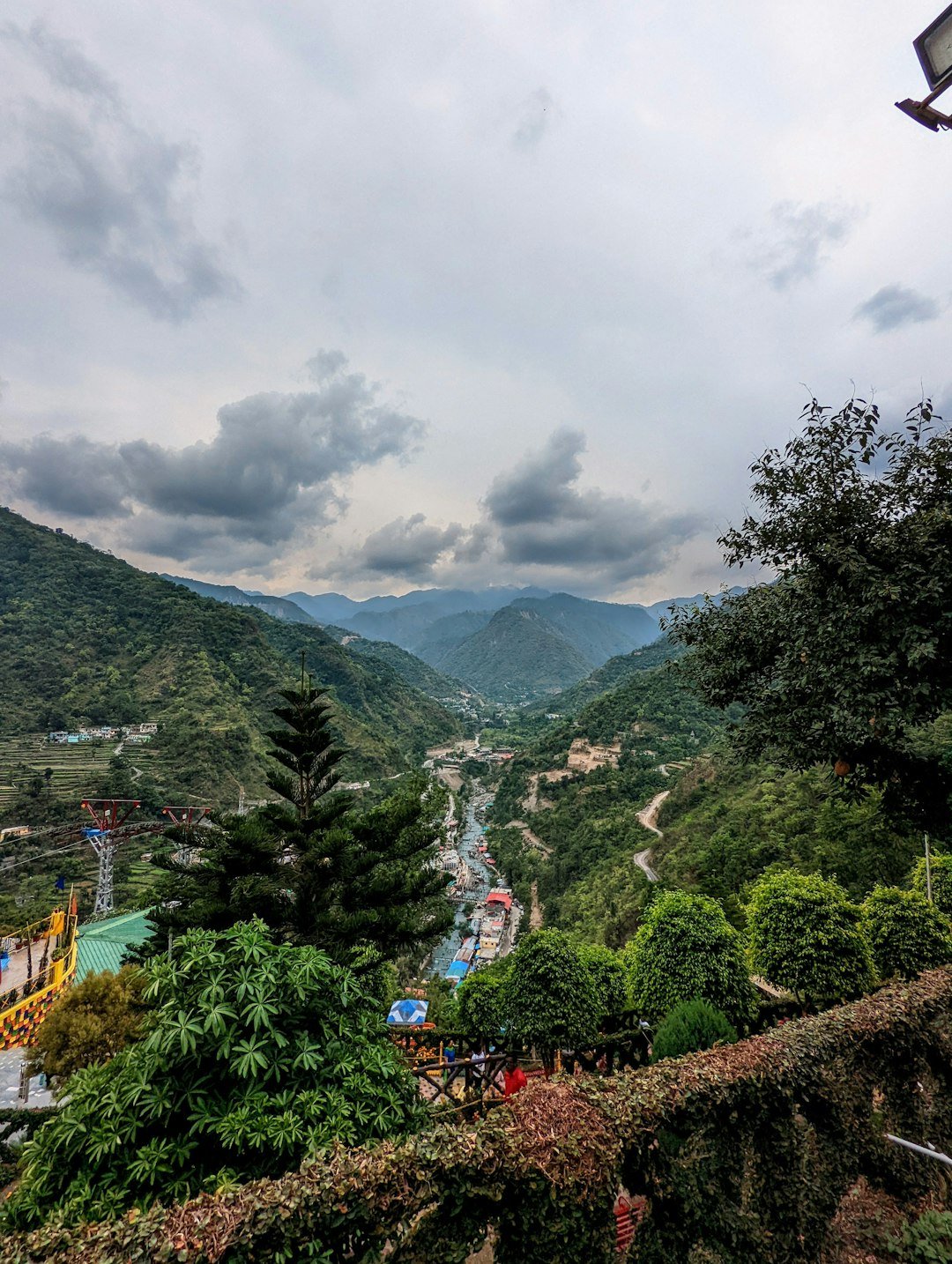
The Parvat Manthan Conclave 2026, held in Dehradun, brought together representatives of 11 Himalayan states to discuss the future of mountain settlements. The deliberations focused on water security, resilient sanitation, ecological planning, municipal capacity and climate-resilient urban development. The event is relevant to UPSC, State PSC and environment and geography examinations.
Why Himalayan urban planning needs a distinct approach
Himalayan towns face a combination of steep terrain, fragile geology, intense rainfall events, landslide exposure, seasonal tourism pressure, limited developable land and changing water availability. Planning approaches designed for plains cities cannot simply be transferred to mountain settlements without accounting for slope stability, drainage, carrying capacity and ecological sensitivity.
Major themes discussed
- Water security: protect springs and catchments, improve local water budgeting, reduce distribution losses and strengthen wastewater management.
- Climate resilience: integrate hazard mapping, early-warning systems and disaster-risk reduction into land-use decisions.
- Sanitation: develop context-appropriate solid and liquid waste systems for settlements with difficult terrain and seasonal population surges.
- Nature-based solutions: use catchment restoration, urban green spaces and ecosystem-based measures where technically suitable.
- Municipal capacity: improve planning skills, finance, data systems and coordination across local institutions.
Institutional and policy context
The National Institute of Urban Affairs (NIUA) works on urban research, capacity building and policy support. The 74th Constitutional Amendment Act, 1992 gave constitutional recognition to urban local bodies and added Part IX-A to the Constitution. The Twelfth Schedule lists 18 matters that may be entrusted to municipalities, subject to state legislation.
Key reported outcomes
The conclave recognised 18 urban solutions and brought together the 11 Himalayan states. These outcomes should be understood as a platform for sharing and adapting solutions rather than as a substitute for state-level planning, statutory environmental clearances or local risk assessments.
UPSC and State PSC relevance
GS-I: Himalayan physiography, fragile ecosystems, urbanisation and settlement patterns. GS-III: disaster management, climate adaptation, water conservation and environmental protection. Governance: municipal finance, decentralisation and intergovernmental coordination.
Answer-writing framework
For a question on sustainable Himalayan urbanisation, structure the answer around (1) physical vulnerability, (2) demographic and tourism pressures, (3) water and waste infrastructure, (4) ecological carrying capacity, (5) risk-informed land-use planning and (6) empowered local governments. Conclude with locally tailored, science-based and community-led planning.
Practice questions
- Which Constitutional Amendment is associated with urban local bodies? 74th Amendment Act, 1992.
- Which part of the Constitution deals with municipalities? Part IX-A.
- How many matters are listed in the Twelfth Schedule? 18.
Official sources
Consult the Ministry of Housing and Urban Affairs, National Institute of Urban Affairs and Press Information Bureau for programme details and policy documents.