Updated: 21 October 2026 | Science, Economy and Consumer Affairs
India is scheduled to host the 61st meeting of the International Committee of Legal Metrology (CIML) in New Delhi from 26 to 28 October 2026. The government announcement says more than 100 delegates are expected.
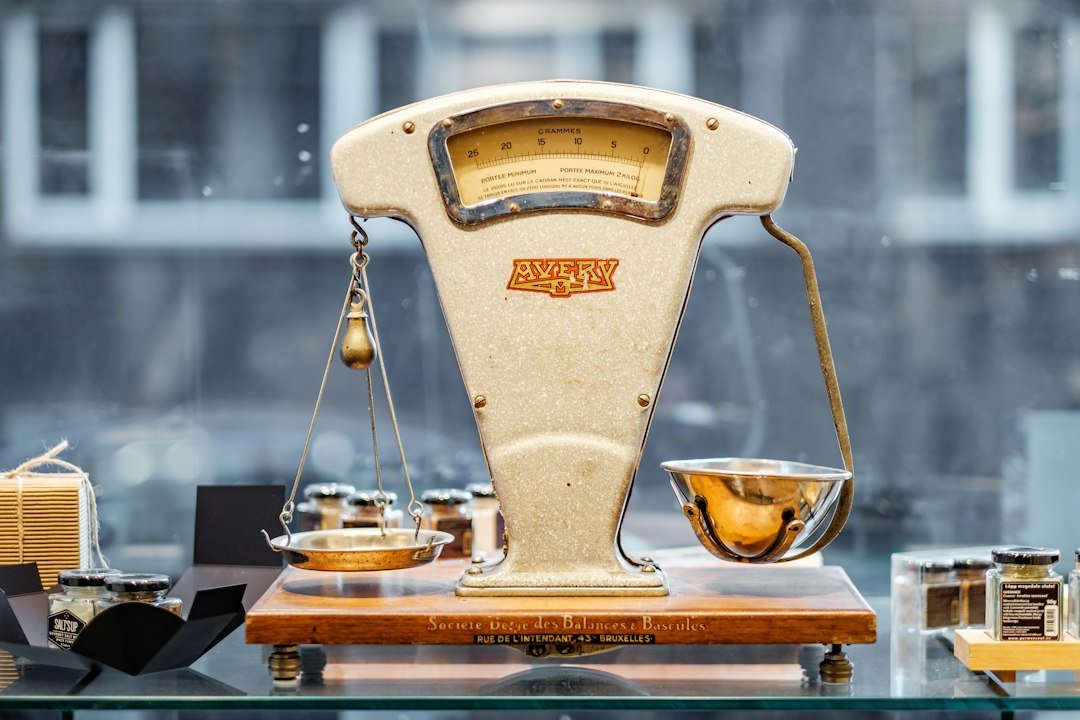
What is legal metrology?
Legal metrology deals with measurements and instruments subject to legal requirements. Examples include retail weighing scales, fuel-dispensing equipment and quantity declarations on packaged commodities. Reliable measurement protects consumers and supports fair trade by making transactions more dependable.
When a package declares net quantity or a transaction depends on a scale or meter, buyers and sellers need a common measurement basis. Verification, inspection, labelling and instrument-accuracy rules help make that basis enforceable. Legal metrology connects technical standards with consumer protection and regulatory compliance.
OIML and CIML: static GK
- OIML: International Organization of Legal Metrology.
- Established: 1955.
- CIML: International Committee of Legal Metrology.
- Meeting: New Delhi, 26–28 October 2026.
- Expected participation: more than 100 delegates, according to the government announcement.
OIML supports international harmonisation through model recommendations, technical guidance and cooperation among member countries. Harmonisation can reduce unnecessary differences between national systems, while each country remains responsible for its own legal framework.
Legal metrology versus scientific metrology
Scientific metrology focuses on measurement science, standards and traceability. Legal metrology applies legally regulated requirements to measurements and instruments, especially where measurement affects transactions, health, safety or public confidence. Industrial metrology commonly concerns measurement in manufacturing and quality control.
A retail weighing scale is a clear legal-metrology example; a national laboratory maintaining a high-accuracy standard is closer to scientific metrology; a factory checking components against engineering tolerances is an industrial-metrology example. The disciplines can overlap.
Why the meeting matters
Goods and instruments cross borders, and differing measurement requirements can create compliance costs and uncertainty. Shared technical approaches can support comparability, confidence in measurement results and clearer expectations for regulators and manufacturers. Consumers benefit from reliable quantity measurements; businesses benefit from predictable requirements; regulators benefit from credible technical references. These outcomes depend on implementation, capable laboratories, trained personnel and effective inspection—not merely on holding a conference.
India’s consumer-protection connection
In India, legal metrology connects with the regulation of weights and measures and packaged commodities. Consumers should be able to understand declared quantities and compare products fairly. Businesses must follow the applicable rules for the instruments, products and transactions they handle. Specific obligations depend on the relevant law, rules, commodity and instrument, so this overview does not replace the official regulation.
Exam relevance
- Expand OIML and CIML.
- In which year was OIML established? 1955.
- Where and when is the 61st CIML meeting scheduled? New Delhi, 26–28 October 2026.
- Distinguish scientific, legal and industrial metrology with examples.
- Explain how reliable measurement supports consumer protection and fair trade.
Official source
Read the PIB announcement on India hosting the 61st CIML meeting. Image credit: Piret Ilver, Unsplash.