18 September 2026 | Environment & Economy Current Affairs
The World Circular Economy Forum 2026 concluded in Gandhinagar after bringing governments, businesses, researchers, start-ups and civil-society organisations together around the transition from a linear to a circular economy. The event is relevant to competitive exams because it links resource efficiency with climate policy, industrial production, waste management, finance and sustainable development.
What happened?
WCEF 2026 was held in Gandhinagar, Gujarat, from 15 to 18 September 2026. Government information said around 2,700 delegates and 260 speakers from more than 60 countries participated. The programme included four plenary sessions and 16 parallel thematic sessions, while a concurrent exhibition featured 135 national and international exhibitors.
Discussions focused on implementation rather than treating circularity only as a long-term environmental aspiration. Themes included circular finance, technology, innovation, employment, inclusion, governance, sustainable products, industrial solutions and start-ups.
Why it matters
A linear economy broadly follows the sequence extraction, production, consumption and disposal. This model can create pressure on finite resources and generate waste. A circular economy attempts to retain the value of products and materials through reduction, reuse, repair, refurbishment, remanufacturing and recycling.
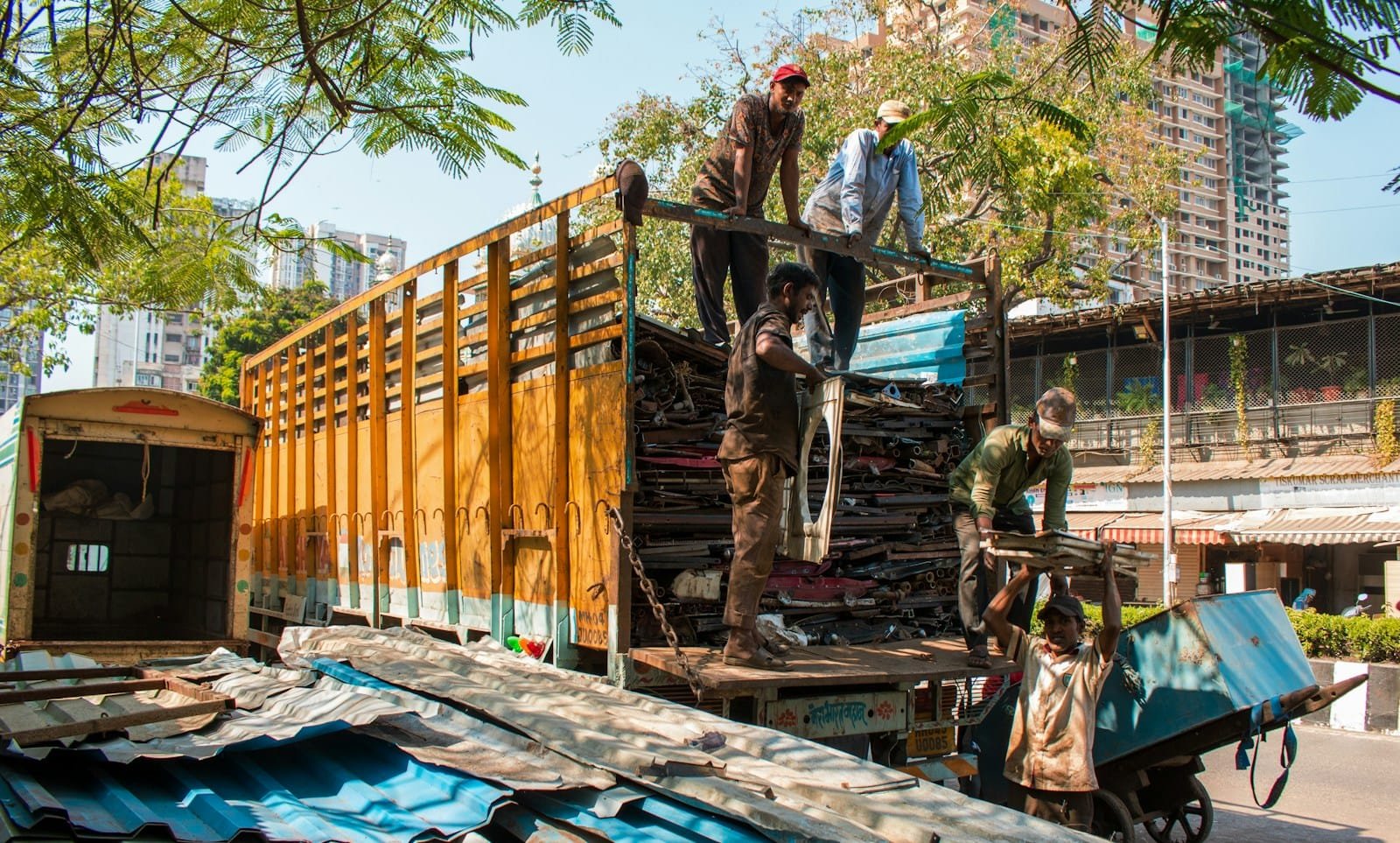
For India, circularity is connected with resource security as well as environmental protection. A growing economy requires large quantities of minerals, energy and materials. Efficient use of those resources can reduce waste and create opportunities in recycling, repair, resource recovery, sustainable manufacturing and waste-to-value enterprises.
Background
The 2026 forum was hosted in Gandhinagar under the theme “Circular Economy: Transition for People and Prosperity.” India highlighted the importance of cross-sectoral partnerships and circular finance. The forum also connected circular economy with the global framework for sustainable consumption and production.
Circular economy should not be reduced to recycling alone. Recycling is one part of a broader hierarchy in which avoiding unnecessary material use, extending product life and reusing products can preserve more value than recycling at the end of a product’s life.
Key facts
- Event: World Circular Economy Forum 2026
- Location: Gandhinagar, Gujarat
- Dates: 15–18 September 2026
- Theme: Circular Economy: Transition for People and Prosperity
- Participation: about 2,700 delegates and 260 speakers from 60+ countries
- Sessions: 4 plenaries and 16 parallel sessions
- Exhibition: 135 exhibitors
- WCEF 2027: Columbia University, USA
Exam relevance
UPSC: connect circular economy with SDG 12, sustainable consumption and production, climate policy, resource efficiency and waste management.
SSC: remember host city, state, dates, theme and next host.
Banking: revise green finance, sustainable finance and the role of capital in scaling resource-efficient business models.
Static GK connection
Linear economy: take → make → use → dispose.
Circular economy: keep products and materials in use for as long as possible and recover value from them. SDG 12 is directly associated with responsible consumption and production.
Possible MCQ areas
- Where was WCEF 2026 held?
- What was its theme?
- Which state hosted it?
- Who will host WCEF 2027?
- Which SDG concerns responsible consumption and production?
- How does a circular economy differ from a linear economy?
- How many plenary sessions were held?
Official source
PIB: WCEF 2026 concludes in Gandhinagar