Reading time: 6 minutes
Banking awareness becomes easier when current events are linked to the underlying financial concepts. This September 13 guide connects the international financial agenda around BRICS with core banking topics such as liquidity, currency settlement, trade finance, payment systems and the role of the Reserve Bank of India.
Why BRICS belongs in banking awareness
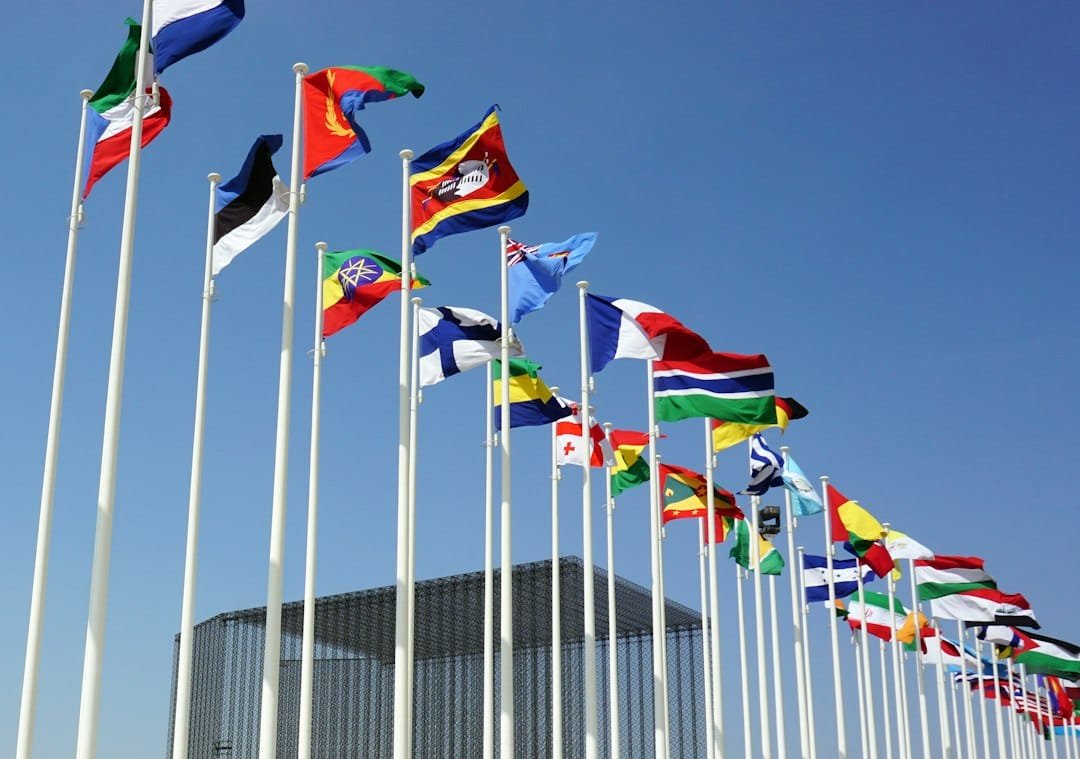
BRICS discussions increasingly include financial cooperation. For banking examinations, the important point is not to memorise a headline about a common currency. Instead, understand how countries can increase the use of national currencies in cross-border trade, improve payment connectivity and reduce transaction friction.
What is liquidity?
Liquidity refers to the ease with which an asset can be converted into cash, or in a banking-system context, the availability of funds for settlement and credit. When liquidity conditions become tight, short-term funding costs can rise. When liquidity is abundant, money-market conditions can soften. Central banks use a range of instruments to influence system liquidity.
RBI and monetary transmission
The RBI influences financial conditions through monetary policy and liquidity operations. The objective is not simply to change one interest rate. Monetary decisions travel through banks and financial markets to lending rates, deposit rates, investment decisions, consumption and ultimately inflation and growth.
For exam preparation, remember the chain: RBI decision → money-market conditions → bank funding costs → lending/deposit rates → credit demand → economic activity.
Digital payments and banking infrastructure
India’s banking system increasingly combines traditional branch banking with digital payment rails. A payment system has to manage identity, authentication, settlement, fraud controls, customer protection and interoperability. Students should understand the difference between an instant payment interface, a bank account and a card network. They are parts of a broader financial infrastructure rather than interchangeable terms.
Trade finance basics
International trade creates banking needs beyond simple payments. Importers and exporters may use letters of credit, bank guarantees, documentary collections, foreign-exchange services and working-capital facilities. The bank’s role can include payment assurance, document handling and financing.
Letter of credit
A letter of credit is a bank-backed undertaking to make payment to a beneficiary subject to specified documentary conditions. The core exam concept is that banks deal with documents under the credit rather than simply inspecting the physical goods.
Bank guarantee
A guarantee is an undertaking by a bank to meet specified obligations if the applicant fails to perform according to the terms. It is therefore different from a normal funded loan.
Why exchange rates matter to banks
Exchange rates affect import costs, export competitiveness, foreign-currency liabilities and capital flows. If the domestic currency weakens, imports priced in foreign currency can become more expensive. Exporters may benefit in some situations, although the final effect depends on input costs and contract structure.
Current-affairs questions you should be able to answer
- Why are BRICS discussions on local currencies relevant to banks?
- What is the difference between liquidity and capital?
- How does RBI policy transmit to bank lending rates?
- Why do cross-border payments require compliance controls?
- How are letters of credit different from bank guarantees?
Five terms for today’s revision
Liquidity: availability of readily usable funds.
Monetary transmission: movement of policy signals through the financial system to the real economy.
Settlement: completion of a payment obligation.
Trade finance: banking services that facilitate international and domestic trade.
Foreign exchange: conversion and management of currencies.
Exam strategy
Banking awareness questions become easier when you learn definitions, then attach one current example to each definition. Do not memorise pages of financial terminology without understanding the mechanism. Spend 20 minutes today revising five terms and then solve 10 MCQs without notes.
Disclaimer: Monetary-policy and financial-system conditions change. Candidates should rely on RBI circulars and official notifications for precise current figures and regulatory instructions.