Updated: 11 November 2026 | Sports current affairs | Competitive-exam explainer
Indian chess reached a landmark in November 2026 when Anuj Shrivatri became the country’s 100th Grandmaster (GM). The Prime Minister congratulated the player on 10 November, describing the milestone as a reflection of talent, dedication and the growing popularity of chess among young Indians. Shrivatri, from Madhya Pradesh, achieved the title after winning the 7th ASEAN Plus Individual Open Chess Championship in the Philippines. The result also made him the first Grandmaster from Madhya Pradesh, according to tournament reporting.
This is more than a sports headline. It connects India’s sporting ecosystem, international federations, title-award rules, tournament formats and the long growth of chess in the country. The facts below distinguish the official government acknowledgement from tournament details reported by chess coverage.
What happened at the ASEAN Plus championship?
The 7th ASEAN Plus Individual Open Chess Championship was held in Ozamiz City, Philippines. Shrivatri finished first with 7 points from 9 rounds, after recovering from an opening-round defeat. Reports say he finished half a point ahead of the next player. The tournament victory provided a direct route to the GM title under the applicable FIDE title regulations; it was not simply a claim that he had crossed the ordinary 2,500 rating threshold.
The distinction matters because chess titles can be earned through more than one regulatory route. The conventional Grandmaster route involves achieving the required rating and norms in eligible tournaments. FIDE also recognises direct titles for specified championship results, subject to the applicable regulations, federation application and confirmation process. A title earned through a championship result should therefore be explained as a direct-title route, not inaccurately described as three norms plus 2,500 rating if those were not the conditions used.
Primary/official acknowledgement: Prime Minister’s News Updates — 10 November 2026. Tournament details are cross-checked against Chess.com’s tournament report and The Indian Express coverage.
India’s chess journey: from one GM to a century
Viswanathan Anand became India’s first Grandmaster in 1988. The country took nearly four decades to move from its first GM to the 100th, but the pace accelerated significantly in recent years as chess academies, tournaments, coaching networks, online platforms and school-level participation expanded. Shrivatri’s achievement in 2026 is a milestone in that larger transition, not an isolated event.
India’s progress is geographically important. The 100th title-holder’s origin in Madhya Pradesh demonstrates that elite chess talent is emerging beyond a few historically prominent centres. A national GM count is not a measure of mass participation by itself, but it is a useful indicator of the depth of competitive talent, access to tournaments and the ability of players to meet international standards.
For exam answers, avoid unsupported claims such as “India is now the world’s leading chess nation” unless a ranking or metric is specified. Grandmaster count, active-GM count, world-title wins, Olympiad medals, ratings and youth participation are different indicators. The Prime Minister’s statement emphasises the milestone and youth popularity; tournament records establish the competitive result.
How does a player become a Grandmaster?
The Grandmaster is the highest standard over-the-board chess title awarded by the International Chess Federation (FIDE). Under the conventional norms route, a player generally needs a FIDE standard rating of at least 2,500 at some point and three GM norms that meet tournament, opponent, performance and nationality requirements. Norms are not merely three tournament wins: they are calculated from the player’s performance against a qualifying field under FIDE regulations and must cover the prescribed number of games.
FIDE’s regulations also define direct (automatic) titles—titles earned by achieving a specified place or result in particular championship events. These are awarded after the player’s federation submits the required application/report and the Qualification Commission confirms the result. The 2026 Direct Titles table includes event-specific provisions for continental and sub-continental competitions. That is why a championship winner can obtain a title through a recognised direct-title pathway even if the conventional rating-and-norm route is not the one used.
Official rule reference: FIDE Title Regulations and Table for Direct Titles effective from 1 January 2026. Always consult the version applicable to the tournament date.
FIDE, AICF and the institutional structure
- FIDE: Fédération Internationale des Échecs, the world chess governing body, founded in 1924 and headquartered in Lausanne, Switzerland. It administers international chess rules, ratings, titles and major competitions.
- AICF: All India Chess Federation, India’s national chess federation. It organises/coordinates national chess activity, supports players and represents India in the international federation structure.
- Grandmaster title: an individual player title; it is not a national team ranking or an Olympic medal.
- Chess Olympiad: a major team competition for national federations, distinct from the individual World Championship and individual open tournaments.
- Standard, rapid and blitz: separate time-control formats with separate FIDE rating lists. A standard GM title is not automatically a rapid or blitz title.
FIDE is an international sports federation. AICF is the Indian national federation. Government recognition, federation administration and a player’s competitive performance are related but not interchangeable. The PM’s congratulatory message is official recognition of the milestone; it does not replace FIDE’s title-award procedure.
Chess basics for static GK and prelims
| Fact | Revision point |
|---|---|
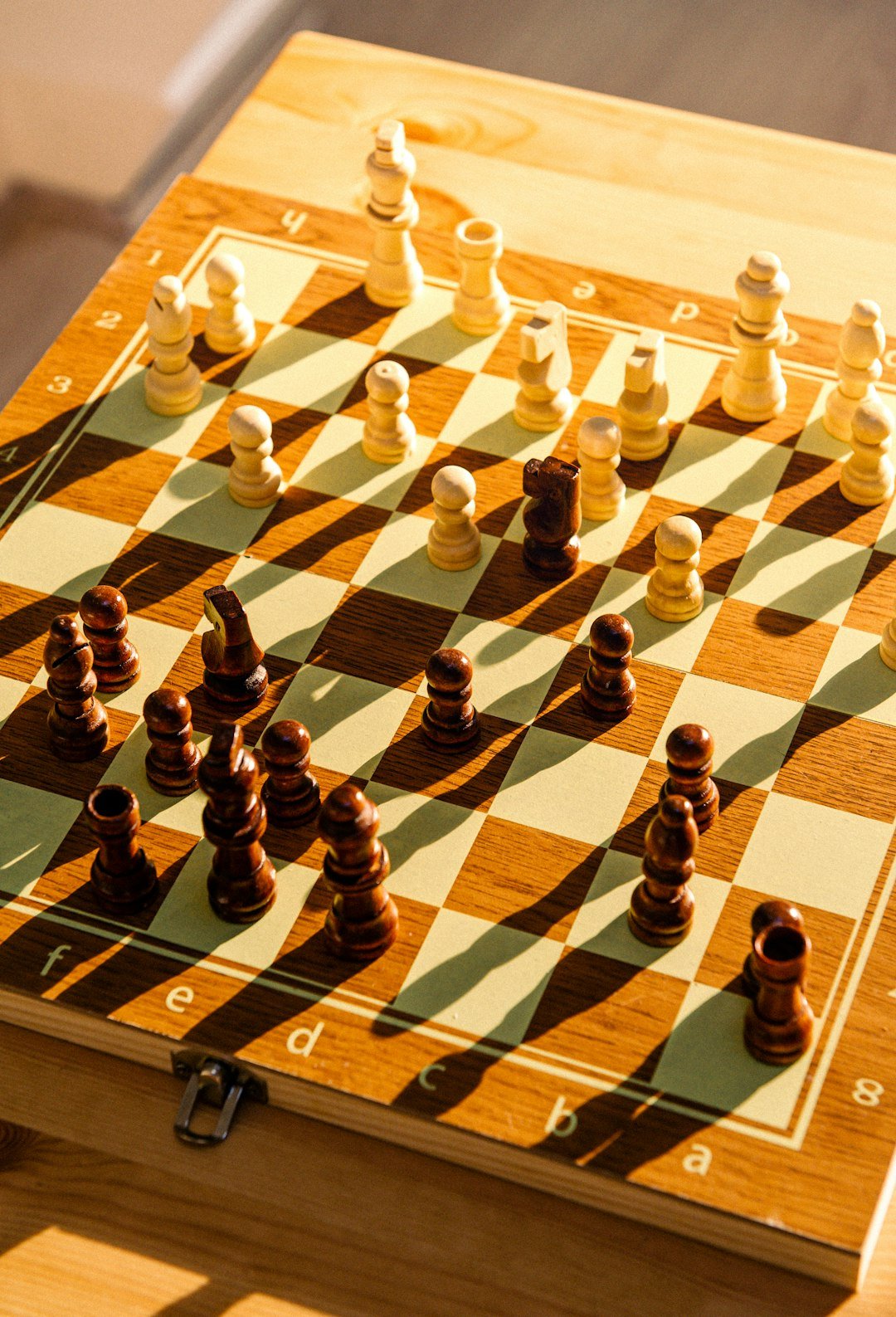
| Board | 8 × 8 grid; 64 squares, alternating light and dark |
| Pieces at start | 32 total: 16 per player |
| FIDE | Founded in 1924; international chess governing body |
| India’s first GM | Viswanathan Anand, 1988 |
| India’s 100th GM | Anuj Shrivatri, 2026 |
| Title routes | Rating + norms; or direct title for specified championship result |
| National federation | All India Chess Federation (AICF) |
These basic facts can be asked in SSC, Railway, State PSC, defence and other general-awareness papers. UPSC may use a sports milestone as a current-affairs question or connect it to sports governance, youth development and institutional roles. The key is to memorise the milestone and understand the rule behind it, not just a player’s name.
Why the milestone matters for sports policy
Producing more title-holders requires a pathway: access to local competitions, coaching, travel support, rating events, sponsorship, federation administration and opportunities for young players to compete internationally. The growth of chess also illustrates how a sport with relatively low equipment costs can still face high costs in coaching, tournament travel and sustained competition. Online play can widen exposure and practice, but it cannot substitute completely for rated over-the-board events, tournament experience and the regulatory requirements of title competition.
For policy analysis, the milestone is evidence of a stronger talent pipeline, while the next questions concern breadth: how many children play, how many districts host rated events, whether girls and players from less-resourced regions have access, and whether support continues after junior success. Those are measurable development questions; the GM count alone does not answer them.
Exam-ready recap
- Anuj Shrivatri became India’s 100th chess Grandmaster in November 2026 and the first GM from Madhya Pradesh.
- He won the 7th ASEAN Plus Individual Open Chess Championship in the Philippines with 7/9.
- India’s first Grandmaster was Viswanathan Anand in 1988.
- FIDE is the international governing body; AICF is India’s national federation.
- The standard GM route involves a 2,500 rating and norms; direct titles are possible for specified championship results under FIDE rules.
- The chessboard has 64 squares; standard chess begins with 32 pieces.
Official and related sources
- PM India — official congratulatory update (10 November 2026)
- FIDE Title Regulations
- FIDE Direct Titles table (2026)
- All India Chess Federation
- Chess.com tournament report
- Daily Current Affairs 11 November 2026
- Competitive Exams Preparation Hub
Editorial note: this article distinguishes the PM’s official recognition, tournament reporting and FIDE’s formal title regulations. Tournament facts are linked to chess reporting; title mechanics are linked to FIDE’s handbook.